
Vorotnaberd Fortress
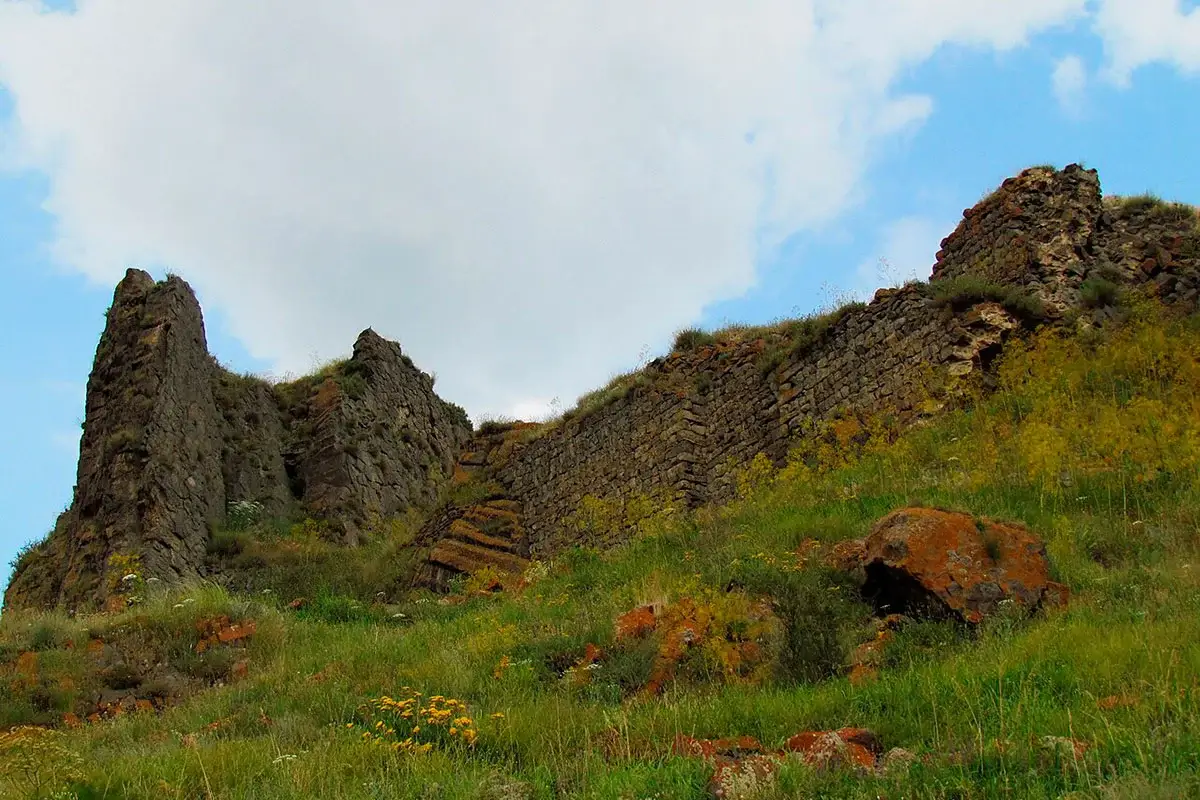
Vorotnaberd Fortress is one of the most interesting medieval sites near Sisian. Its ruins stand on a rocky ridge above the Vorotan River gorge, where steep cliffs and the natural landscape once formed an important part of the fortress’s defences.
Today, Vorotnaberd is worth visiting not only for its history. The site offers panoramic views across the Vorotan Gorge and the mountains of Syunik, while nearby Vorotnavank Monastery makes it easy to combine military and religious heritage in the same trip.
Quick Facts
- Built / Founded: 5th century
- Location: Sisian, Syunik Province
- Also known as: David Bek’s Fortress
- Time needed: 45–60 minutes
- Best time to visit: April to October
Where Is Vorotnaberd Fortress?
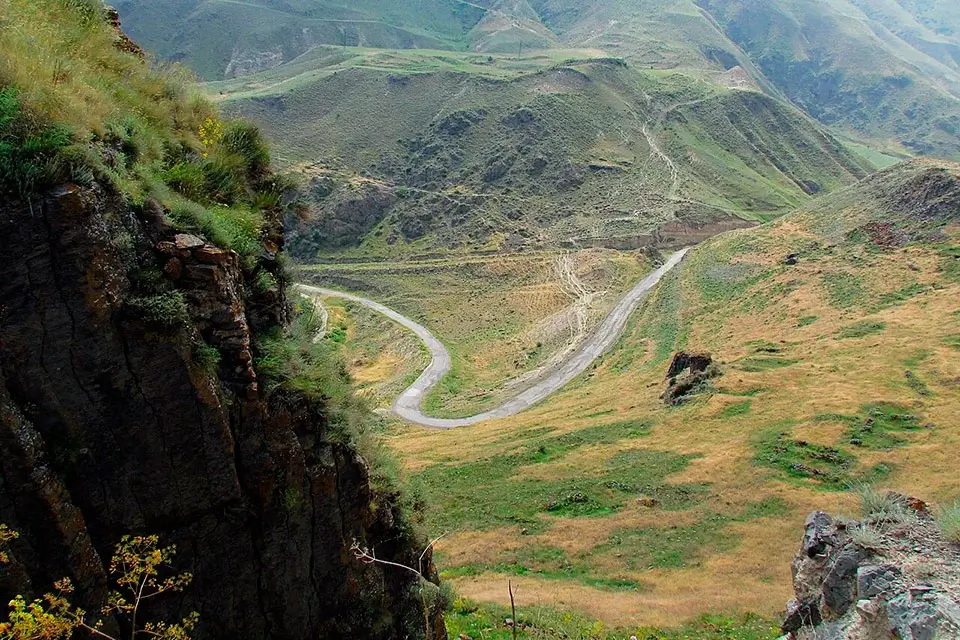
Vorotnaberd is located east of Sisian in Syunik Province, high above the Vorotan River gorge. The fortress is roughly 15–20 km from Sisian, making it a convenient short trip from the town.
The location was naturally well suited to defence. Steep basalt cliffs protected the ridge on several sides, while the more accessible approaches were reinforced with strong defensive walls and towers.
History of Vorotnaberd Fortress
Vorotnaberd was one of the important defensive strongholds of historical Syunik. The first written references date to the 5th century, and during the Middle Ages the fortress controlled an important section of the Vorotan valley.
By the 11th century, Vorotnaberd formed part of the defensive system of the Kingdom of Syunik. The fortress was captured by the Seljuks in 1104 and remained under their control for more than a century before being recovered by the Zakaryan forces in the early 13th century.
Vorotnaberd later came under the control of the Orbelian princes. The fortress experienced further invasions and sieges over the following centuries, so the ruins visible today represent only part of what was once a much larger fortified complex.
Vorotnaberd and David Bek
An important chapter in the later history of Vorotnaberd is connected with Armenian military leader David Bek and the resistance movement in Syunik during the early 18th century. His forces captured the fortress in 1724, returning it to Armenian control.
This episode explains why Vorotnaberd is sometimes called David Bek’s Fortress. The name refers to one important period in its history, however, as the fortress itself had already existed for many centuries before David Bek.
Architecture and Defences of Vorotnaberd
The greatest defensive advantage of Vorotnaberd was its position. Sheer cliffs and steep basalt slopes protected several sides of the fortress, reducing the need for continuous artificial walls around the entire perimeter.
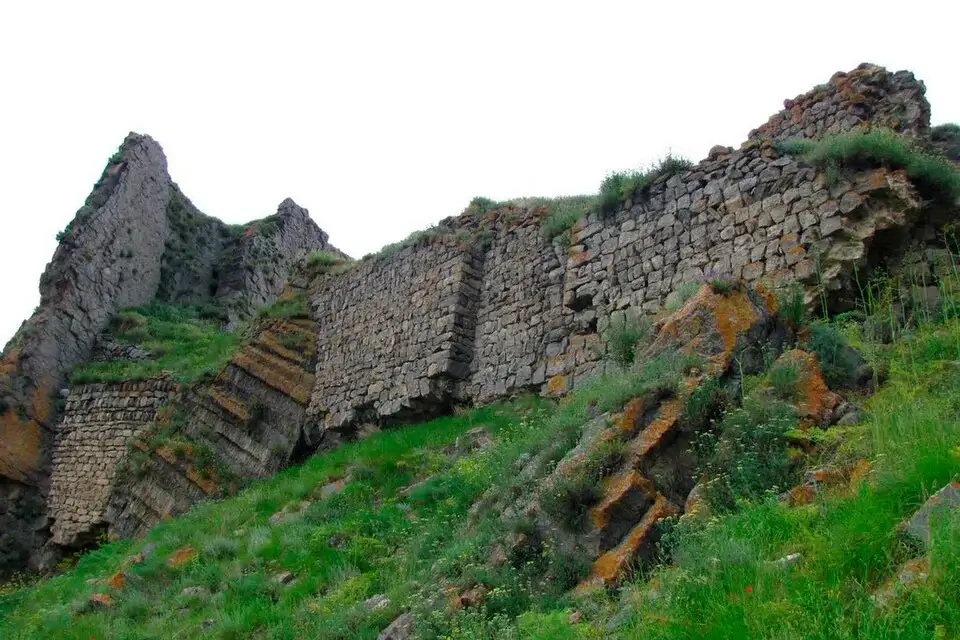
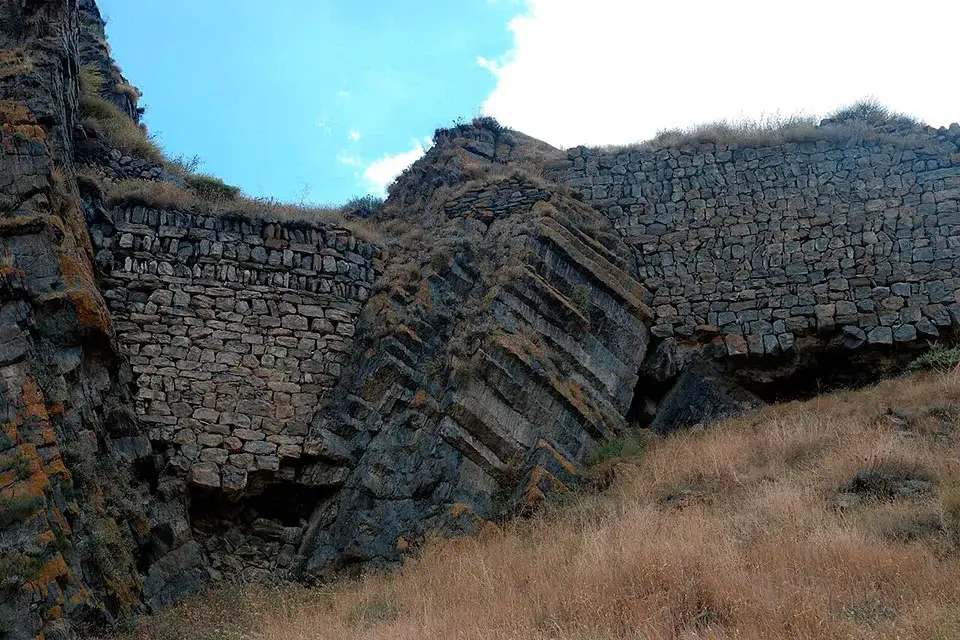
The surviving defensive walls were built mainly from roughly worked basalt. Stronger fortifications and towers protected the more vulnerable approaches, while the upper citadel provided control over the surrounding valley and routes through the gorge.
One particularly interesting feature of the fortress was an underground passage leading toward the Vorotan River. During a siege, access to water would have been essential for the defenders inside the fortress.
What to See at Vorotnaberd Fortress
Vorotnaberd survives as a ruined fortress rather than a restored castle. Visitors can see sections of defensive walls, remains of the citadel, towers and other stone structures scattered across the ridge.
One of the most interesting aspects is the way the fortifications follow the natural shape of the cliffs. Stone walls continue the lines of the rock, making it easy to understand why the site was so difficult to attack.
The views are just as important as the ruins themselves. From the ridge, you can look across the Vorotan Gorge, surrounding slopes and the wider mountain landscape of Syunik.
Vorotnaberd and Vorotnavank
Vorotnavank Monastery is located close to the fortress, above the Vorotan Gorge. The two monuments were historically connected with the defensive system of the valley, so they are easy to visit together on the same trip from Sisian.
Best Time to Visit Vorotnaberd
Spring through mid-autumn is the most convenient period for visiting Vorotnaberd. The surrounding slopes are green in April and May, summer offers generally reliable access, and September and October are comfortable for walking and landscape photography.
Summer can be hot on the exposed ridge, where there is little shade, so morning or late afternoon is often more comfortable. Bring closed shoes, drinking water and sun protection.
Winter visits depend on weather and local road conditions. The fortress also has uneven rocky ground and exposed areas close to steep slopes, so additional care is necessary during rain, snow or strong wind.
How to Get to Vorotnaberd Fortress
The easiest way to reach Vorotnaberd is by car from Sisian toward the Vorotan valley. The route passes through the area around the villages of Vaghatin and Vorotan before continuing along local roads toward the fortress.
The final section can be uneven, so after heavy rain or during colder months it is worth checking road conditions before travelling. Reaching and exploring the ruins also requires some walking over rocky and irregular ground.
Around an hour is usually enough for the fortress itself, but allow more time for the journey from Sisian. Combining Vorotnaberd with Vorotnavank and viewpoints over the Vorotan Gorge creates an easy half-day route.
Vorotnaberd in a Sisian Itinerary
Vorotnaberd fits naturally into a wider trip around Sisian. While the fortress represents the medieval military history of Syunik, Zorats Karer offers a much older archaeological experience nearby.
For a very different archaeological landscape, set aside a separate trip for the Ughtasar Petroglyphs. Because reaching Ughtasar requires a long off-road drive into the high mountains, it is better not to combine both places into one short itinerary.
Shaki Waterfall is another easy addition to a stay around Sisian. Together, these places allow visitors to experience a medieval fortress, prehistoric monuments, ancient rock art and one of southern Armenia’s best-known natural attractions.


