
Where to Stay in Yerevan
Where to stay in Yerevan depends on the length of your trip, your budget and how you plan…
Armenia is a compact mountainous country at the crossroads of Europe and Asia — with its own language, its own alphabet and traditions that go back thousands of years. This page collects the essentials: when to visit, what to see in 1–3 days, how the culture and cuisine work, and the practical side of flights and travel around the country.
Start with the essentials for planning a trip to Armenia, then explore practical guides to the country’s cities, culture, transport and popular resorts.

Where to stay in Yerevan depends on the length of your trip, your budget and how you plan…

How many days you need in Armenia depends on your travel pace and the regions you want to…
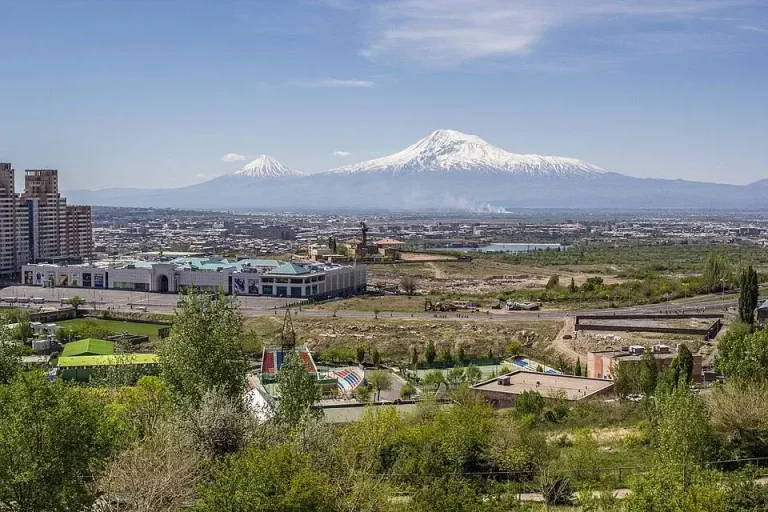
May, September and October are the best months to visit Armenia for most travellers. Compare the seasons for sightseeing, Lake Sevan, skiing, wine festivals, lower prices and fewer crowds.
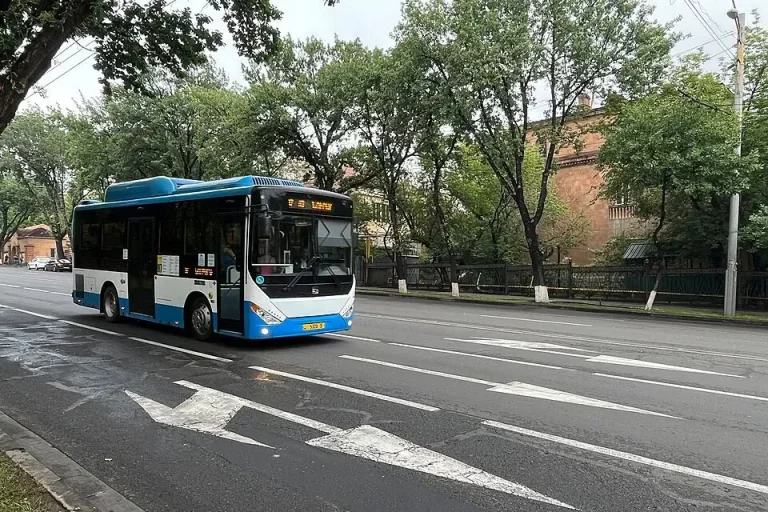
Practical guide to transport in Armenia, including Yerevan public transport, airport buses, taxis, intercity travel, trains and private drivers.

A concise guide to the history of Armenia, covering its ancient kingdoms, Christian heritage, medieval period, the 20th century and independence.

Armenian cuisine brings together lavash baked in a tonir, charcoal-grilled khorovats, tolma, hearty soups, local cheeses, traditional sweets, wine and brandy. This guide covers the dishes and drinks every visitor should try in Armenia.

The modern Armenian alphabet consists of 39 letters. The chart below presents their uppercase and lowercase forms, common…

Armenian wine is one of the country’s most interesting culinary experiences, alongside Armenian brandy and traditional food. Armenia…
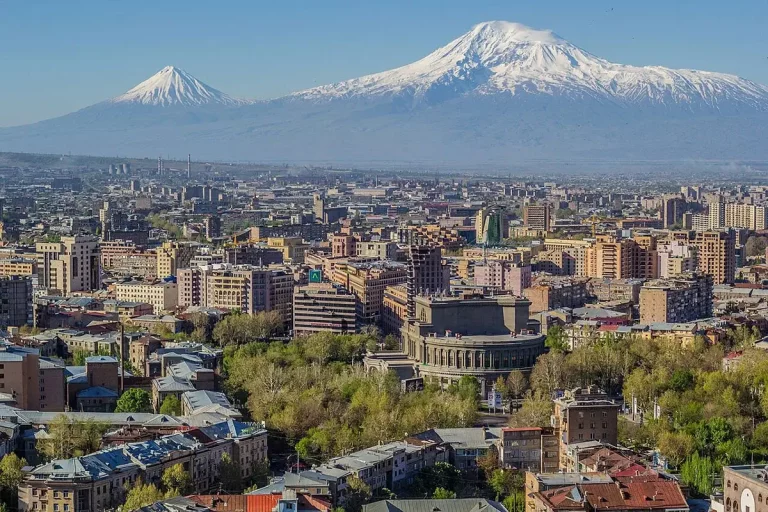
Yerevan is Armenia’s capital and the main base for exploring the country. Discover its top sights, plan a 1–2 day itinerary and find practical travel tips.

Armenia’s forested resort town in a Tavush valley — medieval monasteries in the woods, mountain lakes, and a fresh alpine climate an hour and a half from Yerevan.

Armenia’s second-largest city and official cultural capital — a preserved 19th-century town of black-and-red tuff, still visibly shaped by the 1988 earthquake.

A small town in southern Syunik on the Vararakn River — half planned 19th-century grid, half prehistoric cave dwellings, and the natural base for reaching Tatev.
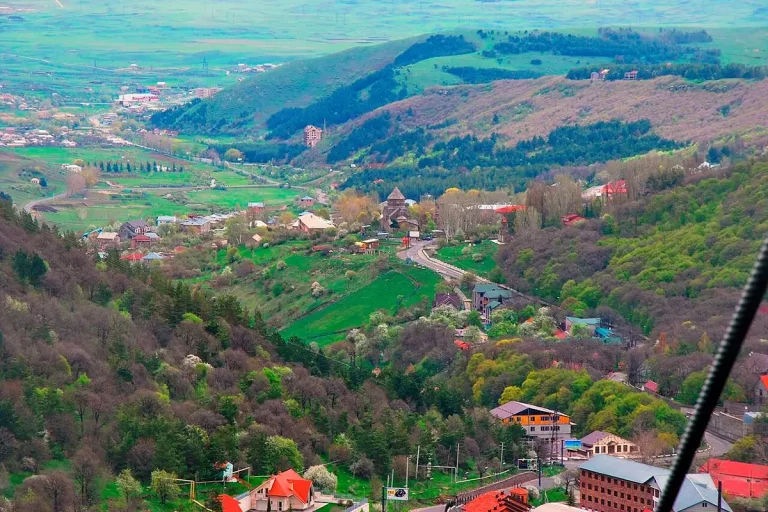
Armenia’s flagship ski resort — 15 trails on Mount Teghenis, a modern Leitner ropeway to 2,819 m, and the 11th-century Kecharis Monastery five minutes from the lifts.
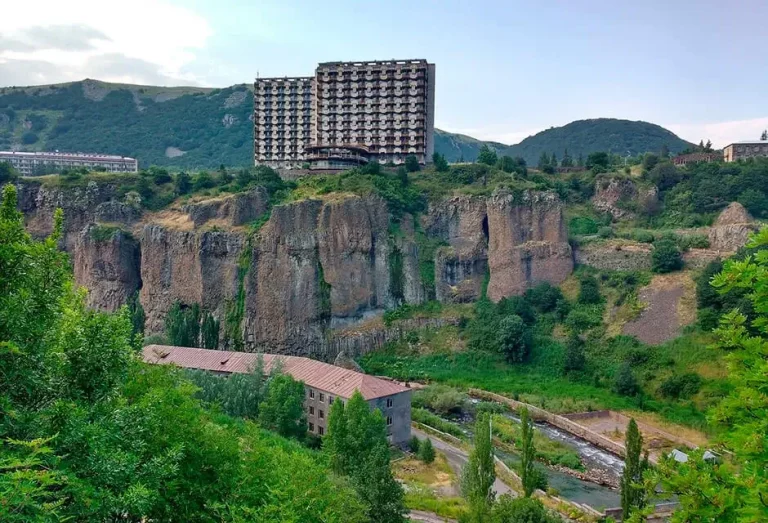
Armenia’s largest spa town — forty thermal springs at 2,100 m, a 1956 mineral-water gallery by Alexander Tamanyan’s son, and a 68-metre waterfall in the Arpa gorge.
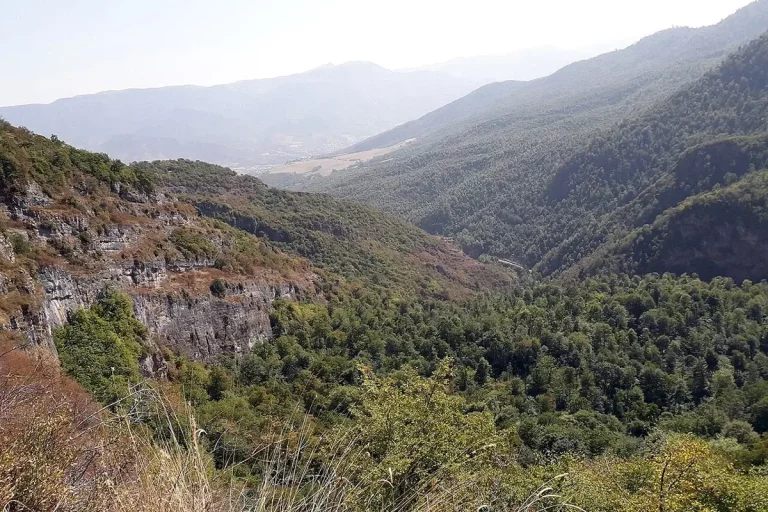
A 100-metre-deep canyon with 13th-century cave refuges, waterfalls, tree-house camping, and the country’s most photographed hiking trail — three kilometres below Yenokavan village.

Armenia’s first adventure park with 5 ziplines up to 750 m, an Alpine-style canyon, 13th-century cave shelters at Lastiver — and a 40-horse stable serving farm-to-table dinners.
Discovering a new country is easier when you start with a well-planned route rather than a bus timetable. We help our guests get anywhere in Armenia and see the essentials without the rush.
Arriving by air? Book an airport transfer from Zvartnots with a meet-and-greet at the exit. For trips across the country, a car with driver in Yerevan works well — your driver knows the roads, suggests where to stop, and you don't have to worry about parking or navigation.
Prefer a guided classic route? Have a look at our day tours from Yerevan — from Garni and Geghard to Lake Sevan, Dilijan and Tatev. All tours run in comfortable private vehicles on a schedule that fits you.