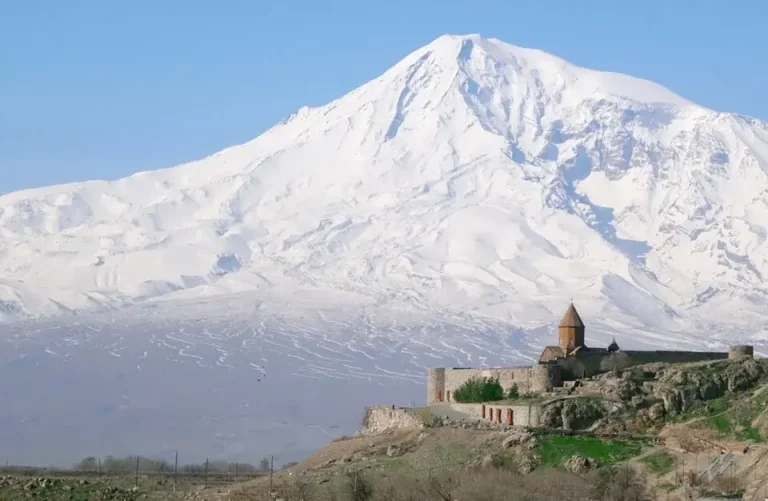

Zorats Church in Yeghegis
Zorats Church is one of the most unusual medieval churches in Armenia. It stands on the eastern side of Yeghegis village in Vayots Dzor and differs noticeably from a typical Armenian church: there is no conventional enclosed prayer hall in front of the altar.
Its most distinctive feature is the open space facing a raised altar. This unusual design has led to the widely known interpretation that mounted warriors may have gathered here to receive a blessing before military campaigns. Whether or not this was its exact original purpose, the architecture makes Zorats one of the most distinctive monuments in the Yeghegis valley.
Quick Facts
- Built / Founded: 1303
- Location: Yeghegis village, Vayots Dzor Province
- Entrance fee: Free
- Time needed: 30–45 minutes
Where Is Zorats Church?
Zorats Church is located on the eastern side of Yeghegis village in Vayots Dzor Province. The site occupies an elevated position with views across the Yeghegis valley and the surrounding mountain slopes.
Unlike Tsakhats Kar and Smbataberd, visiting Zorats does not require a difficult mountain road. Yeghegis can be reached by normal road, and the church is easy to include in a short walk through the historic village.
History of Zorats Church
Zorats Church was built during a period when medieval Yeghegis was an important centre of Vayots Dzor and closely connected with the powerful Orbelian princely family.
The church is generally dated to 1303 and is associated with Archbishop Stepanos of the Orbelian family. At the time, the region was politically active and local Armenian forces were involved in military campaigns under the broader conditions of Mongol rule.
The name “Zorats” is commonly connected with Armenian words relating to soldiers or an army. This association helped give rise to the popular description of the monument as a “warriors’ church.”
Why Is Zorats Church So Unusual?
Zorats looks very different from a conventional Armenian church. Instead of a fully enclosed nave with a vaulted roof or dome, the surviving structure is centred on the eastern altar area, with smaller side chambers and an open space in front.
The altar is positioned unusually high above ground level. This architectural feature is the main reason for the traditional idea that mounted soldiers could approach the church and receive a blessing while remaining on horseback.
This military interpretation is widely repeated, but it is better understood as a historical and architectural hypothesis rather than a fully proven fact. The real importance of Zorats lies in its rare open design, which sets it apart from most medieval Armenian churches.
What to See at Zorats Church
Begin by looking at the church from the west. From this side, the unusual open composition and raised altar are easiest to understand, and the difference from a conventional enclosed church becomes immediately clear.
Look closely at the stonework, the small side chambers and the surviving architectural details. Although the monument is relatively small, its layout is unlike that of most medieval churches in Armenia.
Remains of earlier structures and stone fragments can also be seen around the church. Archaeological work has revealed foundations and walls connected with older buildings that once occupied the site.
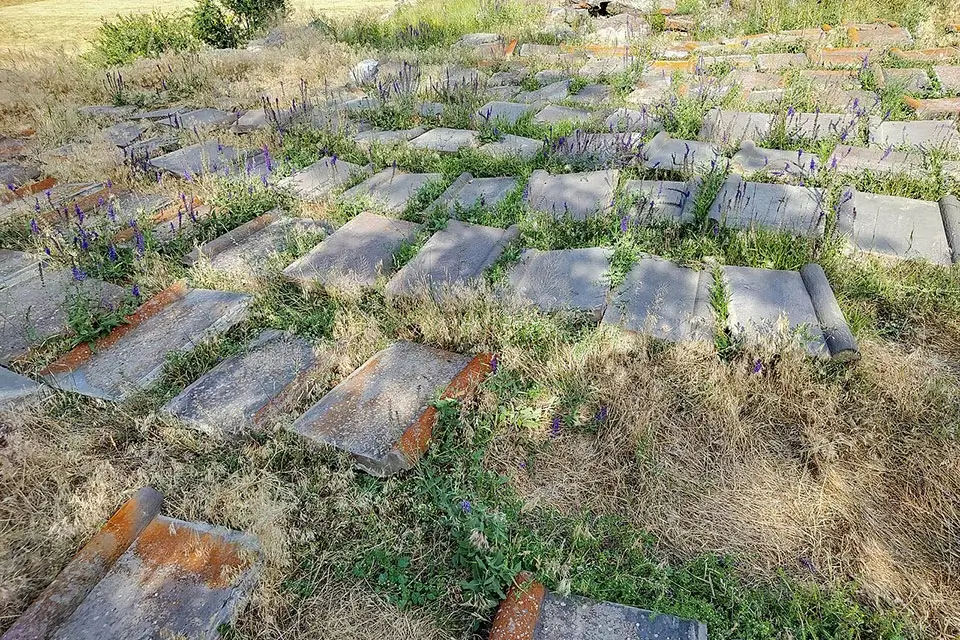
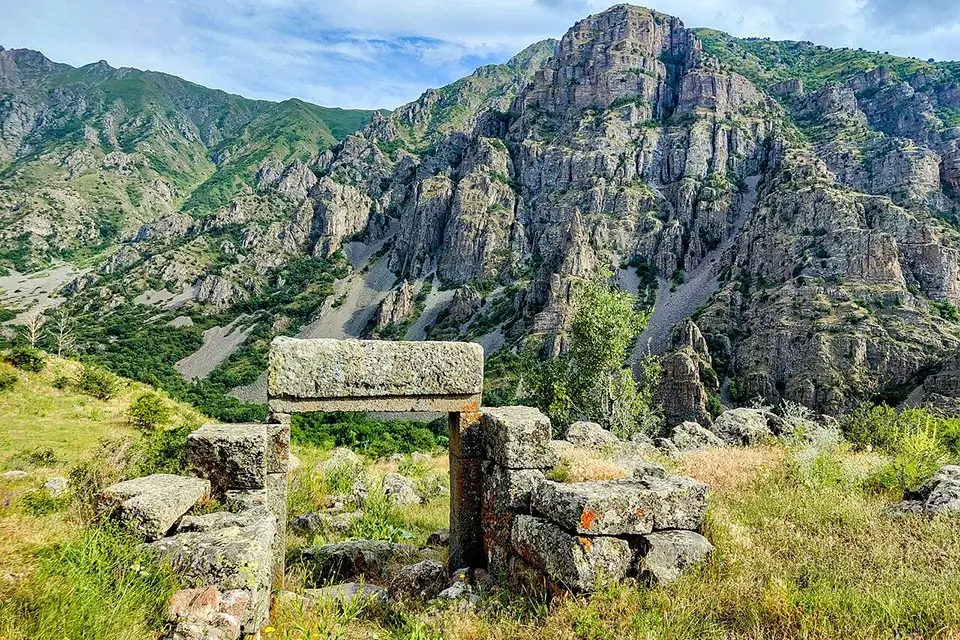
The setting is also part of the experience. From the elevated site, there are attractive views over the Yeghegis valley, surrounding mountains and the historic village below.
Zorats Church and the Legend of the Warriors
The best-known story about Zorats is connected with medieval Armenian warriors. According to the traditional interpretation, mounted soldiers gathered in front of the open altar to receive a blessing before leaving for battle.
The raised altar and open space fit this interpretation surprisingly well. However, there is not enough documentary evidence to prove that this was the church’s precise original function, so the story should be treated as a plausible explanation rather than an established historical fact.
Even without the warrior tradition, Zorats remains an exceptional monument. Its open worship space alone makes it one of the most unusual medieval churches in Armenia.
Best Time to Visit Zorats Church
Zorats can be visited for most of the year because it is located close to Yeghegis village and does not require a difficult mountain approach. Spring, early summer and autumn are the most comfortable seasons for exploring the area on foot.
In summer, morning or late afternoon is preferable because the landscape is open and the midday sun in Vayots Dzor can be strong. Softer light also highlights the stone walls and surrounding mountain scenery more effectively.
How to Get to Zorats Church
First travel to Yeghegis village in Vayots Dzor Province. The main road to the village is suitable for a normal passenger car, making Zorats much easier to reach than Tsakhats Kar Monastery higher in the mountains.
Once in Yeghegis, it is best to park in a convenient place and continue on foot. Several historic sites are located relatively close to one another, so a walk through the village can include Zorats as well as old churches, khachkars and other remains of medieval Yeghegis.
Zorats, Tsakhats Kar and Smbataberd
If you are exploring this part of Vayots Dzor, Zorats Church combines naturally with Tsakhats Kar Monastery. The two monuments belong to the same historic area but offer very different experiences: Zorats is easily accessible near the village, while Tsakhats Kar stands high on open mountain slopes.
Another major stop is Smbataberd Fortress. Together, Zorats, Tsakhats Kar and Smbataberd reveal three different sides of medieval Vayots Dzor: unusual church architecture, a remote mountain monastery and a fortified stronghold.
All three sites can be included in a full-day itinerary, but the mountain sections around Tsakhats Kar and Smbataberd depend on the season, road conditions and the type of vehicle used.