Vahanavank Monastery
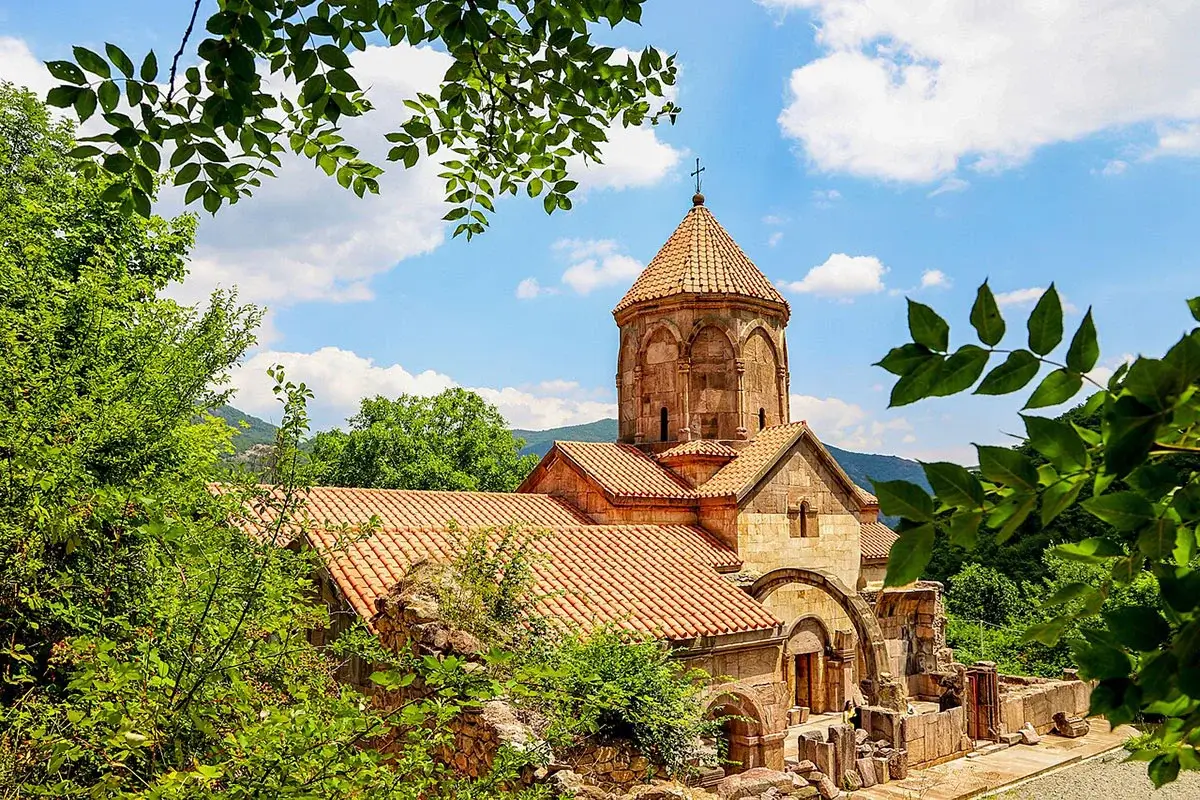
Vahanavank Monastery (Armenian: Վահանավանք) is a 10th–11th-century Armenian monastic complex near Kapan in Syunik Province. Its main church, dedicated to St Gregory the Illuminator, was completed in 911 by Prince Vahan, after whom the monastery was named. Vahanavank later became an important religious centre of medieval Syunik and a burial place for members of its ruling dynasty.
Quick Facts
- Built / Founded: Early 10th century
- Location: Kapan, Syunik Province
- Also known as: Vahanavank, Վահանավանք
- Entrance fee: Free
- Time needed: About 45–60 minutes
- Best time to visit: May–October
- GPS coordinates:
39.2184, 46.3324
Where Is Vahanavank Monastery?
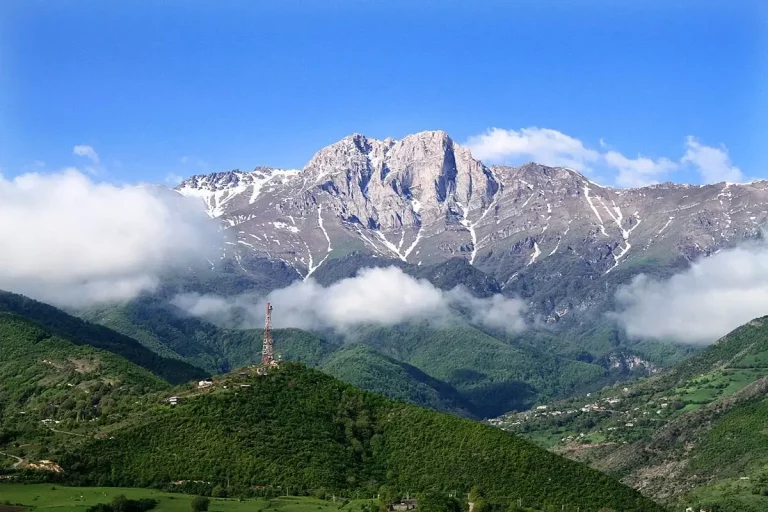
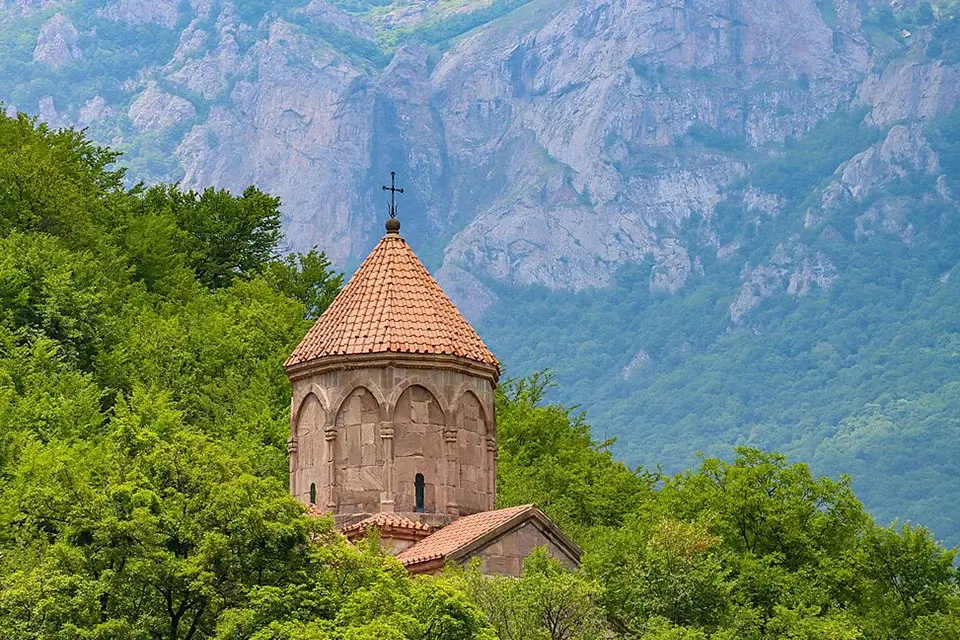
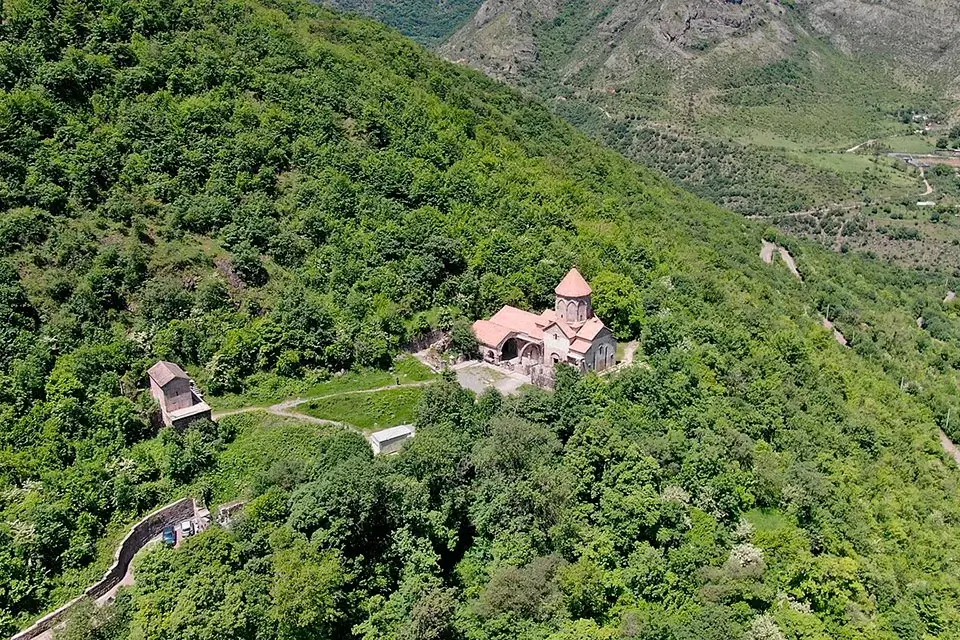
Vahanavank is located in Syunik Province, a few kilometres west of Kapan, on a forested mountain slope above the Voghji River valley. Its position combines medieval architecture with the rugged landscape typical of southern Armenia.
Because of its proximity to Kapan, the monastery is easy to include in a short trip around the city and does not require a separate full day.
History of Vahanavank
Vahanavank was founded in the early 10th century by Prince Vahan, a member of the ruling family of Syunik. The monastery was named after him, and its main church of St Gregory the Illuminator was completed in 911.
The monastery soon developed into an important religious and educational centre. During the 11th century it became closely connected with the rulers of the Kingdom of Syunik and also served as their burial place.
In 1086, Queen Shahandukht II of Syunik and her sister Kata added the Church of Surb Astvatsatsin. This later building also had a funerary function and became an important part of the monastic complex.
Architecture of the Monastery
The main building of Vahanavank is the Church of St Gregory the Illuminator, completed in 911 and built largely from carefully worked basalt. A narthex and a long vaulted portico were later added to the western and southern parts of the church.
South of the main complex stands the two-storey Church of Surb Astvatsatsin, built in 1086. Its lower level served as a burial space, while the upper level contained the church itself.
The monastery grounds also preserve medieval tombstones, khachkars, inscriptions and remains of other structures, showing that Vahanavank was once a much larger religious complex.
The Royal Necropolis of Syunik
Vahanavank is especially important because it served as a burial place for members of the royal and princely families of medieval Syunik.
Tombstones and inscriptions discovered within the complex are connected with several representatives of the ruling dynasty. For this reason, Vahanavank is not only an architectural monument but also an important site for understanding the history of the medieval Kingdom of Syunik.
What to See at Vahanavank
The monastery is compact enough to explore without rushing, but several parts of the complex are worth a closer look.
- St Gregory the Illuminator Church — the main church of the monastery, completed in 911.
- The narthex and vaulted portico — later additions showing how the complex expanded over time.
- Surb Astvatsatsin Church — the two-storey church built in 1086.
- Medieval tombstones — connected with the rulers and noble families of Syunik.
- Khachkars and inscriptions — important surviving details of the monastery’s medieval history.
- Views over the Voghji valley — the mountain setting is an important part of the visit.
How to Get to Vahanavank
The easiest way to visit Vahanavank is from Kapan. The monastery lies only a few kilometres from the city, making it suitable for a short half-day outing.
Vahanavank can also be combined with Halidzor Fortress, another important historical site near Kapan. Travelling from Yerevan only to see the monastery is less practical because the journey to southern Syunik takes most of the day, so Vahanavank fits better into a multi-day itinerary through the region.
Best Time to Visit
The most convenient time to visit Vahanavank is from May to October. Spring brings green mountain slopes, summer is suitable for combining the monastery with other places around Kapan, and autumn is particularly attractive for the surrounding forest scenery.
Winter visits are possible, but road and weather conditions should be checked before travelling.
Practical Tips
- Allow about 45–60 minutes for a relaxed visit.
- Wear comfortable shoes because the ground around the complex is uneven.
- Respect the medieval tombstones, khachkars and architectural remains.
- Check road conditions after heavy rain or during winter.
- Vahanavank and Halidzor Fortress can comfortably be visited on the same local trip from Kapan.