
Armenian Cuisine
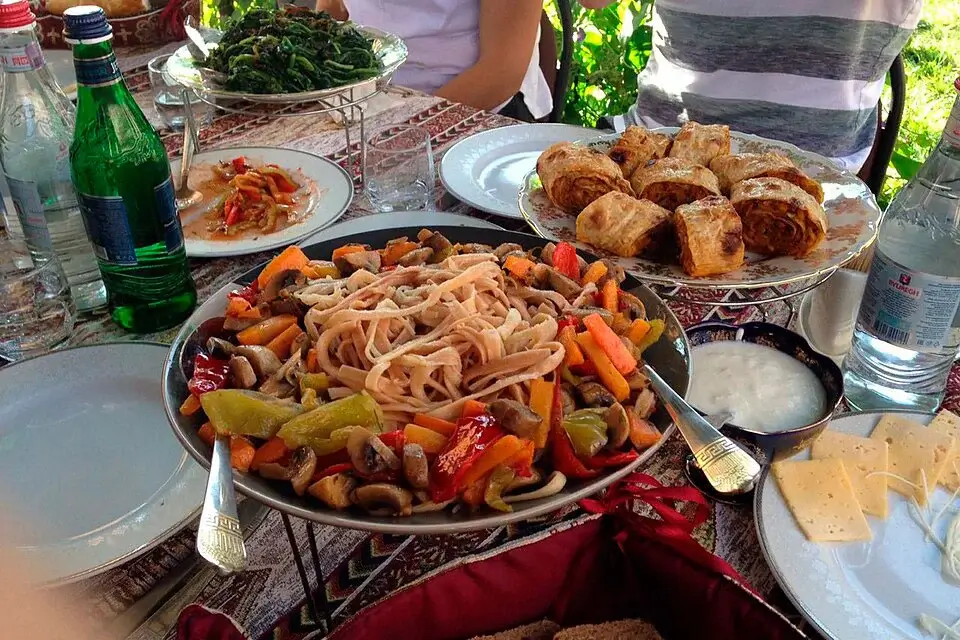
Armenian cuisine is one of the world’s oldest culinary traditions, shaped over thousands of years by breadmaking, winemaking and seasonal farming. It is based on simple, high-quality ingredients: meat, fresh herbs, sun-ripened vegetables from the Ararat Valley, fermented dairy products, fruit and a remarkable variety of local herbs and spices. For travelers, the food alone is a reason to visit Armenia: meals are flavorful, generous and served with genuine hospitality. This guide covers the traditional dishes and drinks you should try, what makes each one special and which edible souvenirs you can take home.
What Makes Armenian Cuisine Unique?
Armenian cuisine developed over thousands of years and still preserves many traditional ingredients, cooking methods and dining customs.
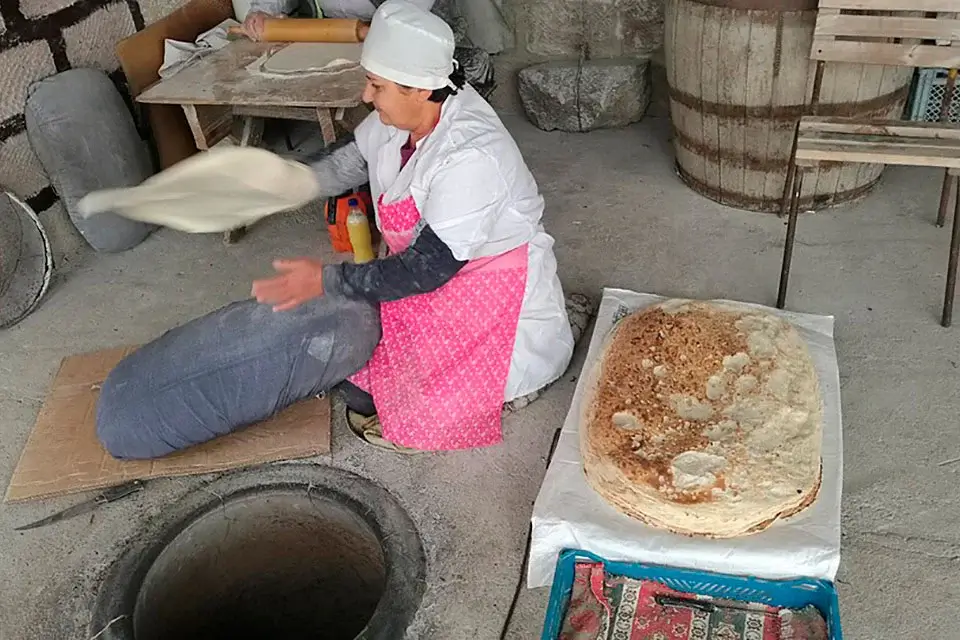
At the heart of traditional Armenian cooking is the tonir—a clay oven built into the ground. It is used to bake lavash, roast meat and slowly cook dishes in clay pots. For centuries, the fire of the tonir has also held special symbolic importance in Armenian homes.
Beef and lamb have traditionally formed the basis of many meat dishes, while pork is now widely used for khorovats, the Armenian version of charcoal-grilled barbecue. Chicken and turkey are also common.
Fresh herbs are an essential part of the Armenian table. Cilantro, parsley, basil—known locally as rehan—tarragon, mint and thyme are often served in generous bunches and eaten alongside meat, cheese and lavash.
Armenian meals are famously generous. A “light snack” can quickly turn into a table filled with several dishes, fresh bread, herbs, cheese and drinks. Serving more than a guest can possibly eat is a traditional expression of Armenian hospitality.
Lavash — The Traditional Bread of Armenia
Lavash is a thin traditional flatbread baked against the hot inner walls of a tonir. It is much more than bread—it is the foundation of the Armenian table. Lavash is wrapped around grilled meat and fresh herbs, served with cheese and used to scoop up sauces.
In 2014, UNESCO added the preparation, meaning and appearance of lavash as an expression of culture in Armenia to its Representative List of the Intangible Cultural Heritage of Humanity. Fresh lavash straight from the tonir is something every visitor should try. Once dried, it can be stored for months; sprinkling it with a little water makes it soft again.
Lavash is also part of many Armenian traditions. During weddings, sheets of bread may be placed over the newlyweds’ shoulders as a symbol of prosperity and abundance. Bread is treated with great respect and traditionally is never thrown away.
Khorovats — Armenian Barbecue
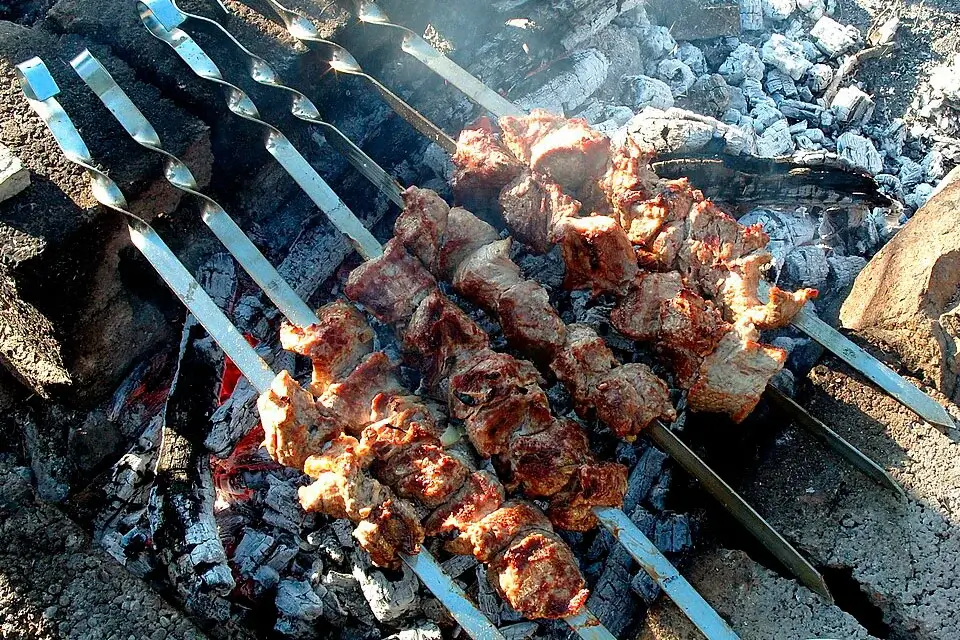
Khorovats (խորոված) is Armenian-style barbecue and the undisputed centerpiece of the national table. Large pieces of meat are cooked on skewers over hot coals. Dried grapevine branches are sometimes used to give the meat a distinctive smoky aroma.
Khorovats can be made with pork, lamb, beef or chicken. There is also a popular vegetable version: eggplants, bell peppers and tomatoes are charred over an open flame, peeled and chopped with fresh herbs and garlic. This dish is often called vegetable khorovats or mangal salad.
Armenia even holds a festival dedicated to khorovats, where cooks from across the country demonstrate their skills. The meat is traditionally served wrapped in lavash with grilled vegetables, sliced onions and plenty of fresh herbs.
Tolma — A Classic Armenian Dish
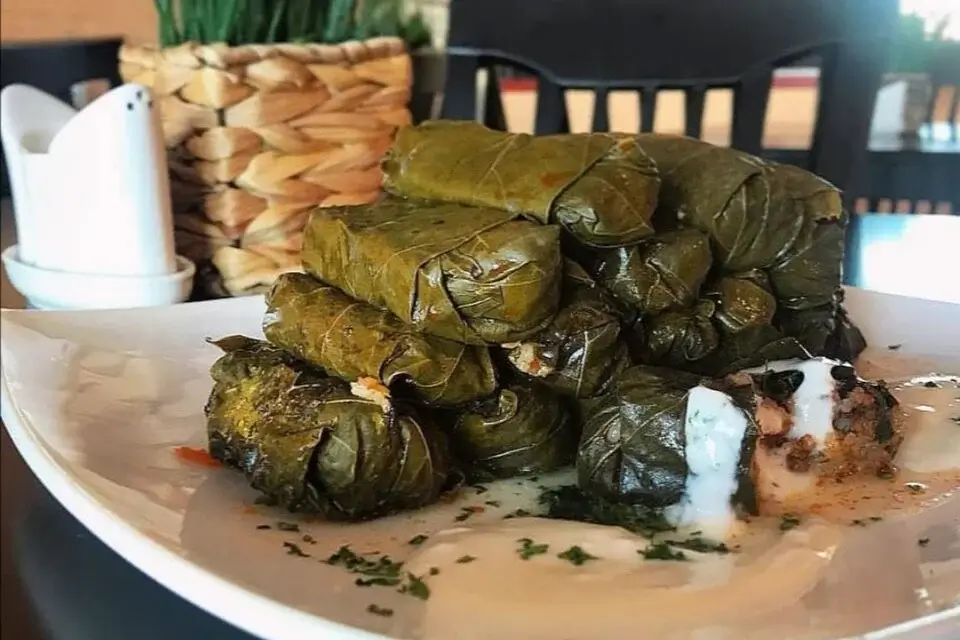
Tolma (տոլմա)—usually spelled with a “t” in Armenia—is one of the country’s best-known traditional dishes. It is made with minced meat, rice and spices wrapped in grape leaves or cabbage leaves.
There is also a meat-free version called pasuts tolma (պասուց տոլմա). Its filling combines red beans, chickpeas, lentils, wheat and herbs, wrapped in cabbage or grape leaves. It is traditionally prepared during periods of fasting and for winter holidays.
Tolma holds a special place in Armenian food culture, and festivals and culinary events dedicated to the dish feature regional recipes and different styles of preparation.
Khash — A Winter Ritual
Khash (խաշ) is more than a dish—it is a social ritual. This rich, gelatinous broth is made by simmering beef or lamb trotters for many hours, often overnight. It is traditionally eaten early on cold winter mornings with garlic, dried lavash and a small glass of vodka or Armenian mulberry spirit.
Khash is meant to be shared with family or friends rather than eaten alone. Visitors who want to experience the tradition should try it during winter and in the first half of the day, as many restaurants serve khash only until noon.
Other Armenian Meat Dishes: Kufta, Basturma and Sujuk
- Kufta (քուֆթա) — tender meatballs made from finely pounded meat and gently cooked in broth. They have an unusually smooth, almost creamy texture.
- Basturma — cured and air-dried beef coated in a fragrant spice paste made with chaman, or fenugreek. Thinly sliced basturma is a classic Armenian cold appetizer.
- Sujuk — a spicy cured sausage flavored with garlic and other spices. It should not be confused with sweet sujukh, the walnut-and-grape dessert described below.
- Tzhvzhik — a traditional dish made with liver and other offal fried with onions.
Dairy Products: Matsun, Armenian Cheese and Spas
Matsun is a traditional Armenian fermented milk product similar to yogurt, with a pleasantly tangy flavor. It is used in many local dishes and also forms the basis of tan, a refreshing drink made by mixing matsun with water and a little salt.
Armenia produces a wide variety of cheeses, including brined chanakh, firm Lori cheese, braided chechil and fresh zhazhik mixed with herbs. Cheese is a constant presence on the Armenian table and is usually served with lavash and fresh greens.
Spas is a traditional soup made with matsun, wheat grains called dzavar and fresh herbs. It can be served hot during the colder months or chilled in summer and has a light, pleasantly tangy flavor.
Fish: Sevan Trout and Ishkhan
The best-known fish in Armenian cuisine is ishkhan (իշխան), the Sevan trout native to Lake Sevan. Its Armenian name means “prince,” reflecting its traditional status as a local delicacy.
Trout is prepared in several ways: grilled, baked, stuffed with rice and raisins in a dish called kutap, or cooked in wine with tarragon. The restaurants around Lake Sevan are among the best places to try freshly prepared trout.
Vegetarian and Lenten Dishes
Armenian cuisine offers a wide variety of vegetable-based and meat-free dishes, shaped in part by the country’s long tradition of religious fasting.
- Stuffed vegetables — eggplants, bell peppers and tomatoes filled with rice and vegetables or, in non-fasting versions, minced meat.
- Mshosh — a traditional meat-free dish made with lentils or beans, onions, walnuts, dried apricots and herbs. It can be served hot or cold.
- Ajapsandal — a hearty vegetable stew made with eggplant, bell peppers, tomatoes, potatoes and fresh herbs.
During summer, Armenian tables are filled with fresh produce from the Ararat Valley. Local tomatoes, eggplants and peppers are especially prized for their rich flavor.
Armenian Desserts: Gata, Sweet Sujukh and Pakhlava
- Gata (գաթա) — Armenia’s best-known sweet pastry. It is filled with khoriz, a crumbly mixture of flour, butter and sugar. Recipes vary from one region to another, with different shapes, doughs and decorative patterns. Gata sold near Geghard Monastery is especially popular with visitors.
- Sweet sujukh, or sharots — walnuts threaded onto a string and repeatedly dipped in thickened grape juice. Once dried, it resembles a sausage and is cut into round slices. It keeps well and makes a convenient edible souvenir.
- Alani — dried, pitted peaches, and sometimes apricots, filled with ground walnuts, sugar and aromatic spices.
- Pakhlava — a rich layered pastry made with nuts and honey or syrup. Both “pakhlava” and “baklava” are commonly used English spellings.
- Dried fruit — Armenia is particularly known for dried apricots, prunes and figs. The naturally sweet fruit is often dried without added sugar.
What to Drink in Armenia: Brandy, Wine and More
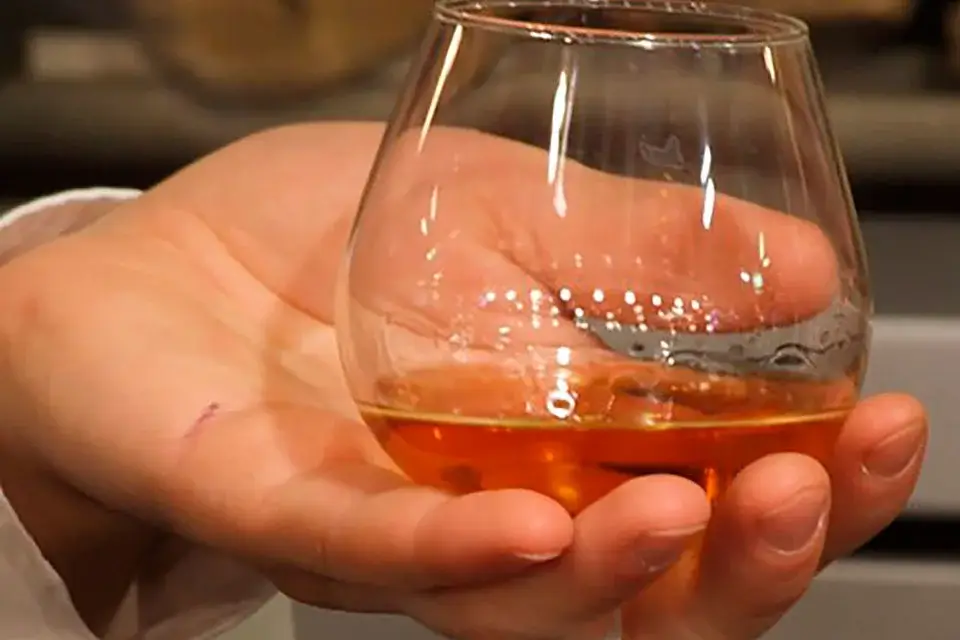
Armenian brandy is one of the country’s best-known products. Commercial production began in 1887, and the spirit is traditionally aged in oak barrels. Ararat and Noy are among the most recognizable brands. A popular legend says that Winston Churchill was a devoted admirer, although the details of the story are difficult to verify. Tours and tastings at Yerevan’s brandy factories are popular with visitors.
Armenia also has one of the world’s oldest winemaking traditions. Archaeologists discovered a wine-production complex around 6,100 years old in the Areni-1 Cave—the earliest known evidence of organized winemaking. Today, the Vayots Dzor region is known for excellent red wines made from the indigenous Areni grape.
Mulberry spirit, commonly called tutovka or artsakh, is a strong traditional drink distilled from mulberries. Homemade versions can reach around 60% alcohol by volume and are often a source of pride for Armenian families.
For a non-alcoholic option, try tan—a refreshing drink made with matsun, water and salt. It is especially enjoyable in hot weather and pairs perfectly with khorovats.
Brandy and wine tastings can also be included in private day tours from Yerevan.
What Food Souvenirs to Bring Home from Armenia
Armenian cuisine also offers plenty of delicious souvenirs that are easy to pack and share with family and friends.
- Armenian brandy — bottles of Ararat or Noy with different aging periods.
- Sweet sujukh and alani — traditional sweets that keep well and are convenient to carry.
- Dried fruit — especially apricots, prunes, figs and dried peaches.
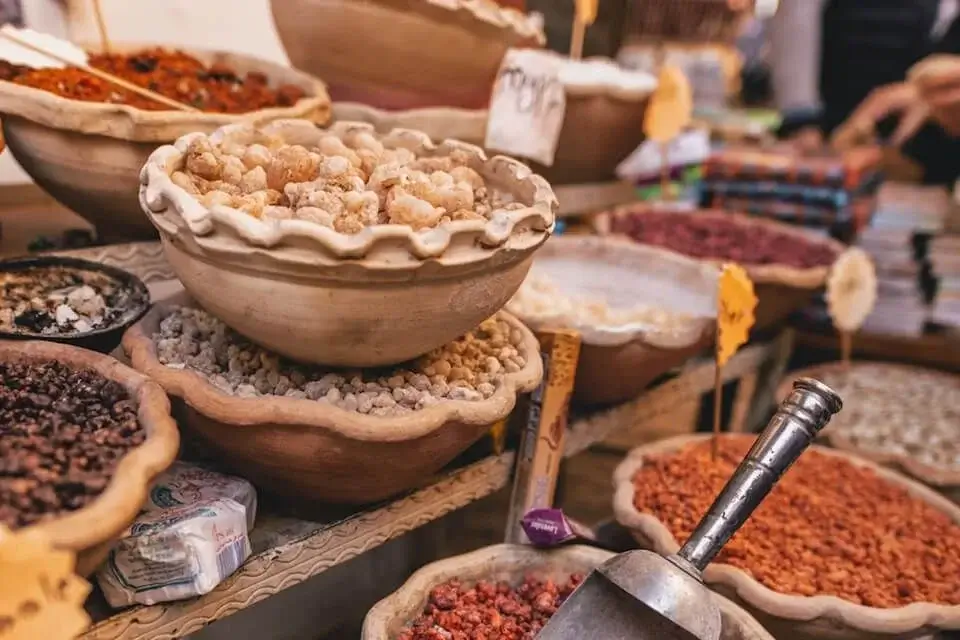
- Spices and herbs — chaman, seasoning blends for khorovats and dried mountain herbs.
- Basturma and meat sujuk — choose factory-sealed vacuum packaging and check the customs rules of your destination country before traveling with meat products.
- Mountain tea and Armenian-style coffee — lightweight gifts that are easy to pack.
- Preserves — popular flavors include green walnut, cornelian cherry and rose petals.
For the widest selection of edible souvenirs, visit GUM Market in Yerevan, where many sellers allow you to taste products before buying and can package them for travel. Yerevan Vernissage is a better choice for handicrafts, jewelry and other non-food gifts.
Where to Try Authentic Armenian Food
Some of the most memorable Armenian food is found in family-run restaurants and home kitchens. However, Yerevan and the routes around the country also offer plenty of excellent places to discover traditional dishes.
- Traditional restaurants in central Yerevan serve a wide selection of Armenian dishes, from tolma and khorovats to spas and gata.
- Roadside barbecue restaurants along popular day-trip routes often prepare excellent khorovats over charcoal.
- Lakeside restaurants at Lake Sevan are a good place to try freshly prepared trout.
- Village stops near monasteries may offer homemade lavash from a tonir, local cheese, matsun, herbs and seasonal produce.
One of the easiest ways to discover authentic Armenian food is while traveling around the country on a private day tour or with a car and local driver. An experienced local driver can suggest family-run restaurants and roadside stops that rarely appear in guidebooks.


