Byurakan Observatory
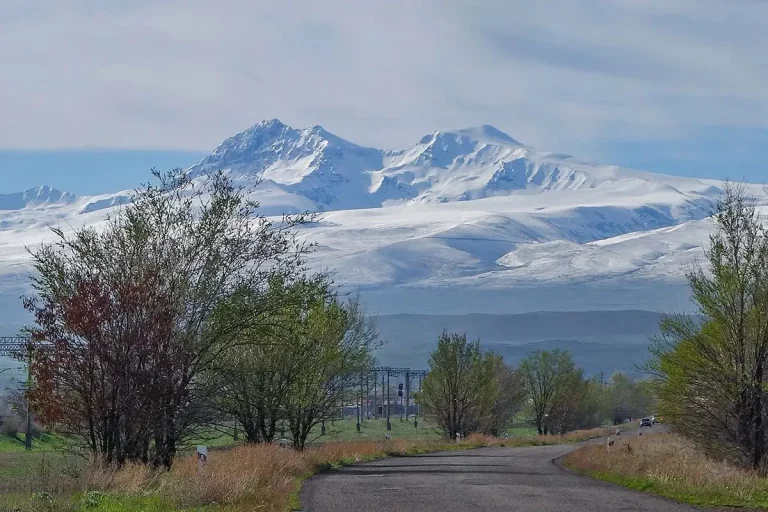
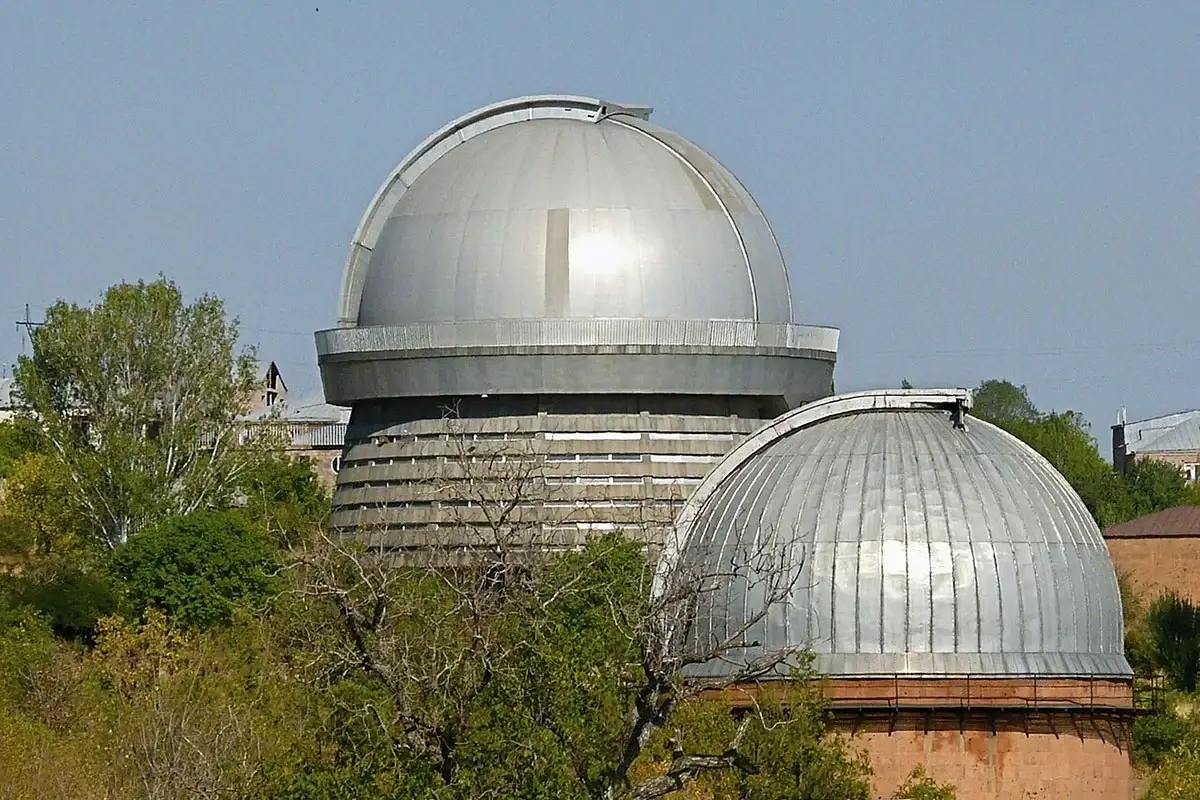
Byurakan Astrophysical Observatory, named after Viktor Ambartsumian, is located in Byurakan village on the southern slopes of Mount Aragats in Armenia. Its scientific buildings and telescope towers stand among trees. The observatory remains an active research centre and also welcomes visitors for guided tours.
A visit offers a chance to explore Armenian astronomy alongside the country’s historic sights. Daytime tours introduce the observatory’s history and equipment, while evening sessions focus on observing the night sky. These are separate programmes, so choose your preferred activities and book ahead.
Quick Facts
- Built / Founded: 1946
- Location: Byurakan village, Aragatsotn Province
- From Yerevan: approximately 35–40 km
A Brief History of Byurakan Observatory
The observatory was founded in 1946 on the initiative of astrophysicist Viktor Ambartsumian, who became its first director. Research into stars and galaxies helped establish an internationally recognised astronomical school here. Architect Samvel Safarian designed the earliest buildings. Scientific research continues today, while visitor programmes introduce the people and instruments behind the observatory’s work.
What to See During Your Visit
One option is a visit to the Viktor Ambartsumian House-Museum. Its collection includes family photographs, documents, scientific works and personal belongings, along with the scientist’s library. The museum provides a more personal introduction to the man whose work helped shape modern Armenian astrophysics.
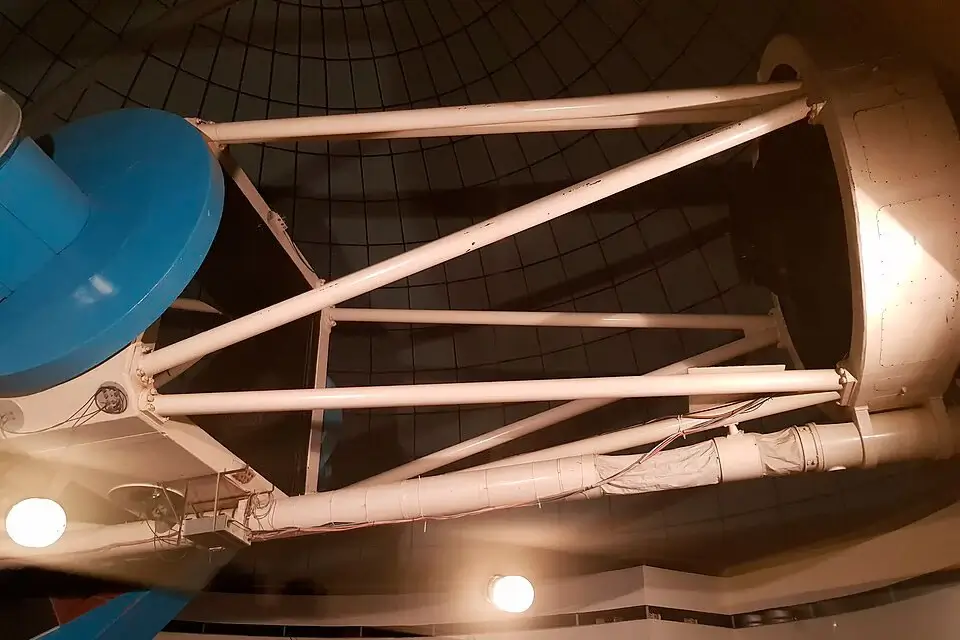
A separate daytime tour introduces the ZTA-2.6 telescope, the observatory’s largest instrument, with a mirror measuring 2.6 metres across. According to the visitor programme, guests view the telescope through a glass partition and learn how it works. This tour does not include looking through the large telescope.
Evening stargazing uses a smaller professional telescope. Depending on the season, cloud cover and the position of celestial objects, observations may include the Moon, visible planets, star clusters or other objects. The guide selects suitable targets for that evening; not every object will be visible during a single session.
Booking and Practical Tips
Arrange your visit to Byurakan Observatory in advance by calling +374 91 195903. Confirm the starting time, tour language, price and available activities when booking. Charges depend on the programme, group size and visitor category. The house-museum, telescope tour and evening observations are listed as separate activities.
Bring warm clothing and comfortable shoes for an evening visit. Stargazing depends on the weather, so reconfirm the session before leaving Yerevan. If you would like to join several activities, ask about the total duration and allow for any gap between the daytime tour and evening observations.
How to Get to Byurakan Observatory from Yerevan
From Yerevan, drive towards Ashtarak and continue to Byurakan village. The journey is approximately 35–40 km, depending on your starting point. Allow around one hour for the drive, taking city traffic and the climb towards the village into account.
You can travel by car or taxi. For an evening visit, arrange your return journey in advance. If you plan to explore several places nearby, you can book a car with a driver from Yerevan and coordinate the stops and return time around your observatory booking.
Other Stops for Your Day Trip
You can combine the observatory with Tegher Monastery or Amberd Fortress. Choose one or two additional stops to leave enough time for your booked tour. If evening stargazing is the main purpose of your trip, spend the daytime exploring sights around Byurakan before returning for your session.
During the warmer months, you can also continue to Lake Kari if the mountain road is open. Access to the lake and Amberd depends on weather and road conditions. Our Aragats and Surroundings guide brings together other places in the area to help you plan a route suited to the season.