

Climate in Armenia
Armenia’s climate is continental and strongly shaped by elevation. The country is mountainous, so the weather can change dramatically over a short distance: on the same summer day, Yerevan may reach +35 °C (95 °F), while Lake Sevan, Dilijan or a high mountain pass feels 10–15 degrees cooler. Summers are generally hot and dry in the valleys, winters are cold and snowy in the mountains, and spring and autumn bring the most comfortable conditions for travelling.
This guide explains Armenia’s weather by month and season, the differences between Yerevan and the mountain regions, the best time to travel, and what to pack for each part of the year.
What Is the Climate Like in Armenia?
Armenia has a continental highland climate, with hot, dry summers and cold winters. Elevation matters more than distance: much of the country lies between 1,000 and 2,000 metres above sea level, while mountain roads and hiking routes climb considerably higher. This creates large differences in temperature between the Ararat Plain, forested northern Armenia and the high-altitude Lake Sevan basin.
The country receives abundant sunshine — roughly 2,500–2,700 hours in many areas — and relatively little rain in the drier central and southern valleys. Most precipitation falls during spring and early summer, often as short showers or afternoon thunderstorms. Mountain weather can change quickly even when Yerevan remains hot and clear.
Daily temperature swings are also important. A warm afternoon can be followed by a cool evening, especially outside Yerevan, so carrying an extra layer is useful in almost every season.
Armenia’s Main Climate Zones
- Semi-arid valleys — Yerevan and the Ararat Plain: the hottest and driest part of the country. Summer temperatures regularly exceed +35 °C (95 °F), while winters are shorter and less snowy than in the mountains. This is the main growing region for apricots, grapes, peaches and pomegranates.
- Temperate mountain areas: much of central Armenia lies at 1,400–2,000 metres. Summers are warm rather than extremely hot, while winters are colder and snowier.
- High mountain and alpine areas: above approximately 2,000 metres, summer is short and cool and winter snow can remain well into spring. Conditions on exposed passes can change within minutes.
- Humid forest regions — Dilijan, Lori and Tavush: northern and north-eastern Armenia receives more rain and supports dense forests. Summers are mild and green, with noticeably more cloud and rainfall than around Yerevan.
Weather in Armenia by Season
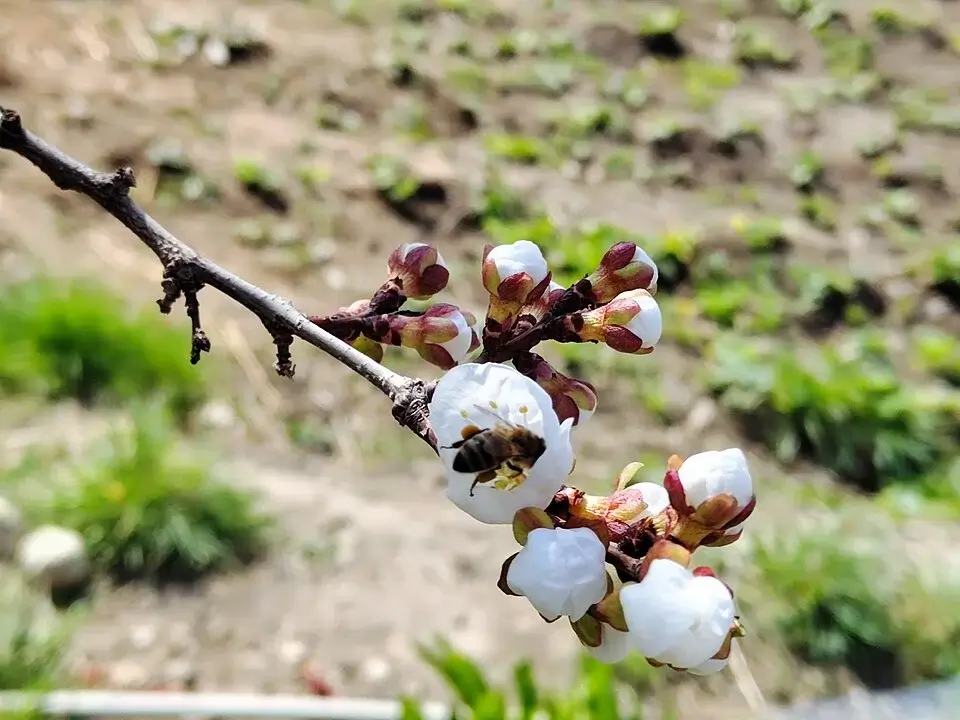
Spring in Armenia: March to May
Spring is one of the most attractive seasons for visiting Armenia. Orchards flower across the Ararat Plain, hills turn green and waterfalls become more powerful with snowmelt. Apricot blossom usually appears between late March and April, although the exact timing changes with the weather.
- March: cool and changeable. Yerevan usually sees daytime temperatures of about +7…+15 °C (45…59 °F), while snow remains in the mountains.
- April: warmer, greener and often rainy. Sunny periods can alternate with showers and sudden cool spells.
- May: comfortably warm at around +20…+25 °C (68…77 °F) in Yerevan. The countryside is green, most sightseeing routes are open, and conditions are excellent for day trips and lower-altitude hikes.
April and May are among the wetter months, but rain often falls in short bursts rather than lasting all day. A light waterproof jacket is usually more useful than heavy rain gear.
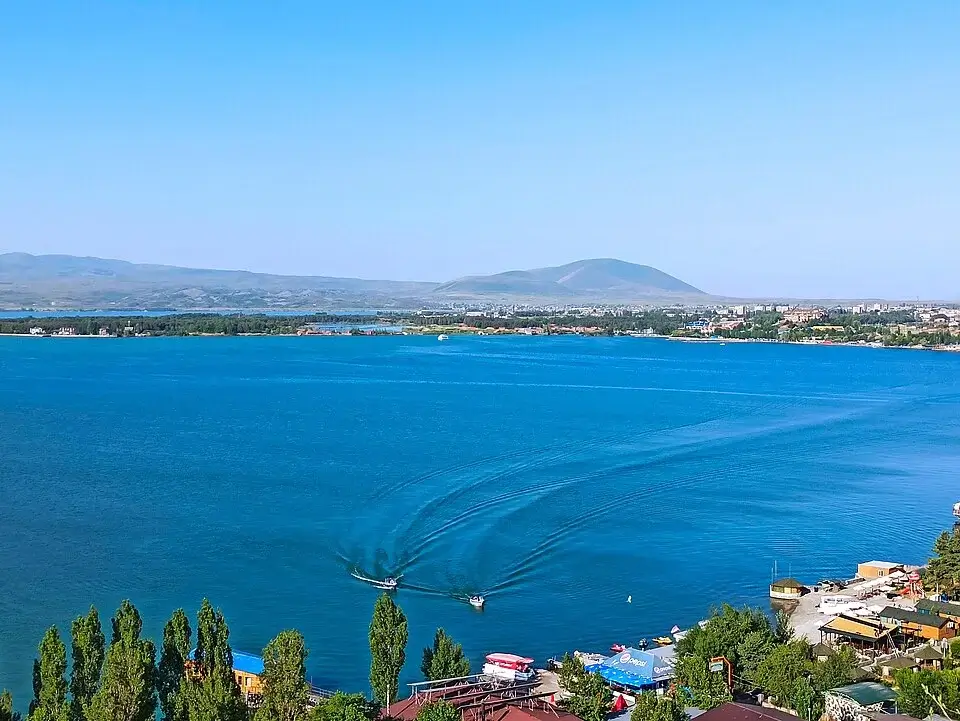
Summer in Armenia: June to August
Summer is hot, sunny and dry in Yerevan and the Ararat Plain. July and August are the hottest months, with daytime temperatures commonly reaching +30…+38 °C (86…100 °F) and occasionally rising to around +40 °C (104 °F).
- In Yerevan, plan long walks and outdoor sightseeing for the morning or late afternoon. The midday heat can be tiring and shade is limited around archaeological sites.
- In Dilijan, Tsaghkadzor and other mountain resorts, daytime temperatures are more often around +20…+27 °C (68…81 °F), with cool evenings.
- Lake Sevan is a popular escape from Yerevan’s heat. The swimming season is short — mainly late July and August — and wind can make the shore feel cool even on a sunny day.
Summer is the main season for high-altitude hiking, but afternoon thunderstorms can develop quickly in the mountains. Start exposed hikes early and check the local forecast before leaving.
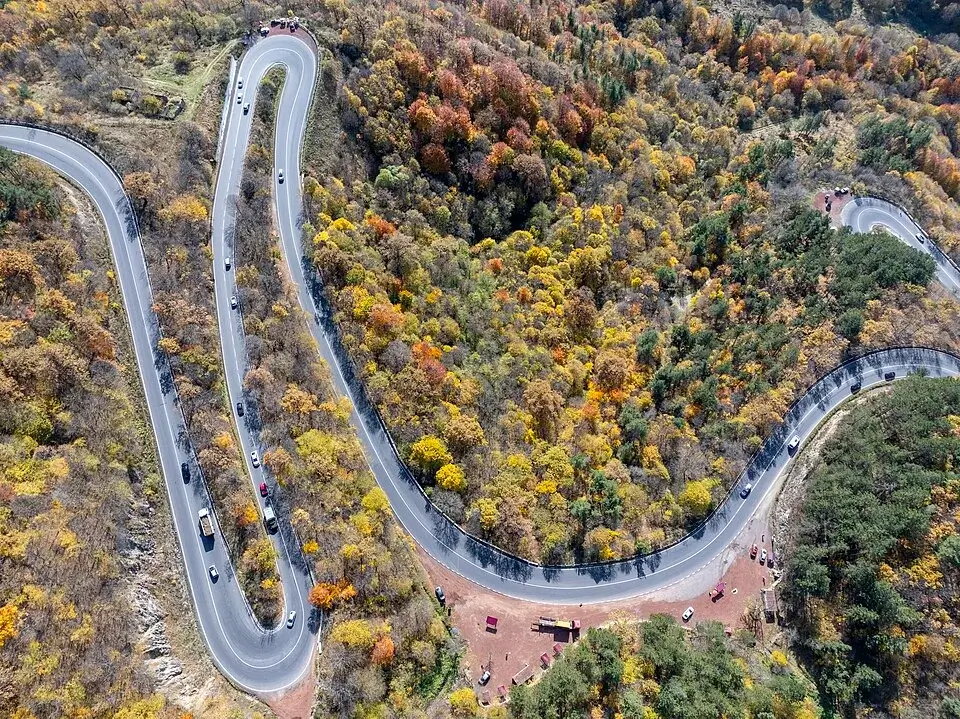
Autumn in Armenia: September to November
For many travellers, autumn is the best season in Armenia. The heat eases, the air becomes clearer and vineyards and orchards enter harvest season.
- September: warm and mostly dry, with daytime temperatures around +25…+30 °C (77…86 °F) in Yerevan. It is an excellent month for sightseeing, wine routes and hiking.
- October: mild at approximately +15…+22 °C (59…72 °F) in the capital. Forests around Dilijan, Lori and Tavush take on strong gold and red colours.
- November: much cooler, usually +7…+14 °C (45…57 °F) by day in Yerevan. The first significant snow may close exposed high-altitude routes.
September and the first half of October combine comfortable temperatures with generally reliable road conditions, making this one of the easiest periods for a multi-region trip.
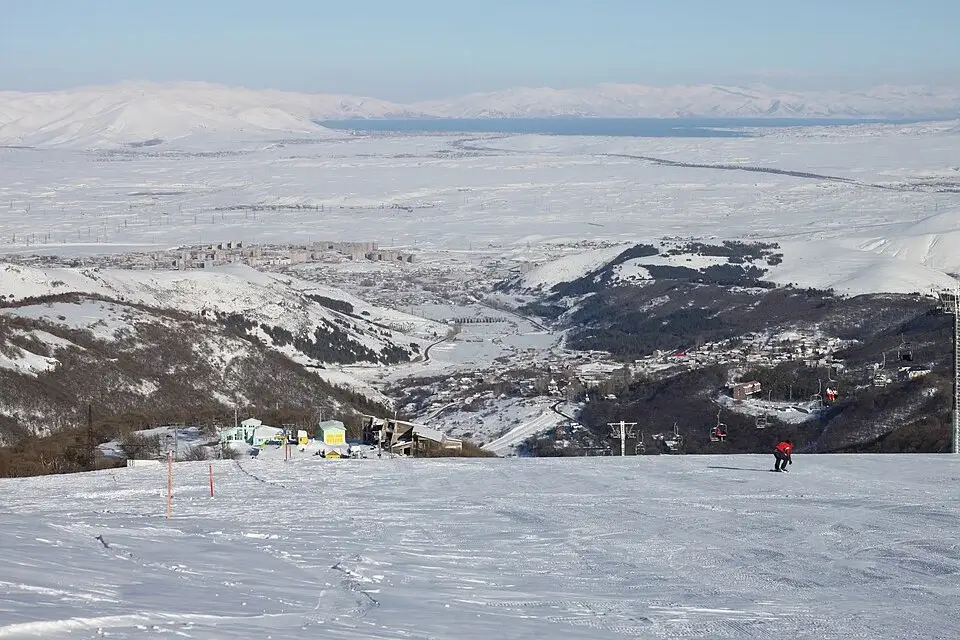
Winter in Armenia: December to February
Winter conditions vary sharply by elevation. Yerevan is cold but often sunny, with daytime temperatures commonly between −5 and +5 °C (23–41 °F). Snow falls in the city, although it does not always remain for long. Cold snaps can be considerably colder.
- Mountain regions such as Tsaghkadzor, Lake Sevan, Gyumri and the higher parts of Armenia have a proper snowy winter with regular sub-zero temperatures.
- The ski season in Tsaghkadzor usually runs from December to March, but opening dates and snow quality depend on the year.
- Major roads remain open in normal conditions, while high mountain passes and remote attraction roads may temporarily close after heavy snowfall.
Winter suits skiing, spa stays and quiet city sightseeing. It is less suitable for itineraries built around high-altitude monasteries, mountain lakes or remote hiking routes.
Weather in Yerevan by Month
The table shows approximate daytime ranges in Yerevan. These are practical planning figures rather than a forecast: individual days can be warmer or colder, and nights are noticeably cooler.
| Month | Typical daytime range | What to expect |
|---|---|---|
| January | −1…+5 °C / 30…41 °F | Cold; snow in the mountains |
| February | 0…+7 °C / 32…45 °F | Late winter; reliable mountain snow |
| March | +7…+15 °C / 45…59 °F | Changeable weather and showers |
| April | +14…+20 °C / 57…68 °F | Blossom season; frequent showers |
| May | +20…+25 °C / 68…77 °F | Warm, green and excellent for sightseeing |
| June | +26…+32 °C / 79…90 °F | Hot weather begins |
| July | +30…+38 °C / 86…100 °F | Peak summer heat |
| August | +30…+37 °C / 86…99 °F | Hot and dry; abundant summer fruit |
| September | +25…+30 °C / 77…86 °F | Warm days and cooler evenings |
| October | +15…+22 °C / 59…72 °F | Mild weather and autumn colour |
| November | +7…+14 °C / 45…57 °F | Cool; first mountain snow possible |
| December | 0…+7 °C / 32…45 °F | Start of winter |
Lake Sevan, Tsaghkadzor and many mountain districts are often 5–10 °C (9–18 °F) cooler than Yerevan. The difference can be even greater at high elevations or after sunset.
Climate by Region
- Yerevan, approximately 1,000 m: Armenia’s hottest and driest major destination. Summers are long, sunny and very hot; winters are cold but shorter and less snowy than in the mountains. May, September and October are particularly comfortable for walking.
- Dilijan, approximately 1,250–1,500 m: a greener and more humid forest climate. Summers are mild, rain is more frequent, and evenings remain cool even during heatwaves in Yerevan.
- Tsaghkadzor, approximately 1,850 m: cool summers and snowy winters. It works as a summer escape from the capital and as Armenia’s best-known ski resort in winter.
- Lake Sevan, approximately 1,900 m: cool, exposed and often windy. The water remains cold, the swimming season is brief, and winter conditions are much harsher than in Yerevan.
- Jermuk, approximately 2,080 m: a high-altitude spa town with cool summers, cold snowy winters and clean mountain air throughout the year.
For more detail on these destinations, see our guide to resorts in Armenia.
What to Pack for Armenia
- Spring: layers, a light waterproof jacket or umbrella, and comfortable closed shoes. Keep a warm layer for mountain trips.
- Summer: light clothing, a hat, sunglasses, sunscreen and water. Add a jumper or windproof jacket for Lake Sevan and evening stops in the mountains.
- Autumn: light layers in September, then a warmer jacket from October. Rain protection is useful in forest regions.
- Winter: a warm coat, hat, gloves and shoes with good grip. Proper winter equipment is essential for ski areas and mountain routes.
- All year: comfortable footwear. Monasteries, fortresses and viewpoints often involve stone steps, gravel and uneven ground.
When Is the Best Time to Visit Armenia?
May, September and October are the best months for most first-time visitors. The weather is warm without the strongest summer heat, roads and attractions are generally accessible, and the landscape is at its most colourful.
- Sightseeing and day trips: May, June, September and October
- Lake Sevan and swimming: late July and August
- High-altitude hiking: July to September, depending on snow and trail conditions
- Skiing: January and February usually offer the most reliable snow
- Wine, fruit and harvest season: September and October
- Lower prices and fewer visitors: November and winter, outside New Year and ski-resort weekends
Weather and road conditions matter most when an itinerary includes mountain passes or remote attractions. Our private day tours from Yerevan and car-with-driver service make it easier to adjust the route to the season, avoid difficult roads and move between hot valleys and cooler mountain regions.


