Is Armenia Safe for Tourists?
Armenia is generally considered a safe and welcoming destination for tourists, with relatively low levels of violent crime and a relaxed atmosphere in its cities. Most visitors explore Yerevan and the country’s popular tourist routes without difficulty. However, conditions near some international borders can change, while driving and mountain travel require sensible precautions. This guide provides a balanced overview of personal safety, border areas, solo travel, roads, hiking, health and emergency assistance in Armenia.
How Safe Is Armenia for Tourists?
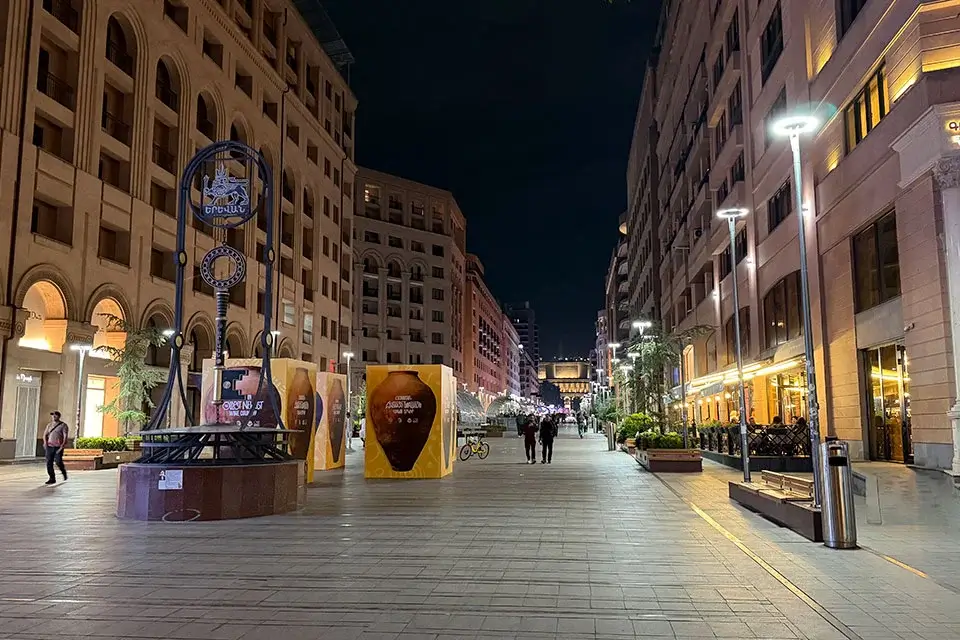
Armenia is generally safe for visitors travelling on established tourist routes. Official travel guidance describes crime levels as low, and serious incidents involving foreign visitors are uncommon. Central Yerevan and the country’s other main tourist destinations are normally calm during both the day and evening.
In practical terms:
- Visitors generally feel comfortable walking through central Yerevan and other busy tourist areas.
- Violent crime specifically targeting tourists is uncommon.
- Armenian hospitality is an important part of the local culture, and visitors will often find people willing to help.
- Pickpocketing, bag theft and other opportunistic crime can occur, although such incidents are not common.
- Political demonstrations are usually peaceful, but travellers should avoid large crowds and follow instructions from local authorities.
The main issues requiring additional attention are border areas, road conditions, mountain weather and occasional demonstrations. Security conditions can change, so check the latest official travel advice shortly before departure.
Crime and Personal Safety in Armenia
Crime levels in Armenia are low, and serious offences involving tourists are rare. The problems a visitor is most likely to encounter are minor and similar to those found in other popular destinations:
- Pickpocketing in crowded markets, on busy public transport or at large events.
- Bag theft or theft from an unattended vehicle.
- Inflated fares or misleading prices from unlicensed taxi drivers.
- Opportunistic theft when phones, wallets or luggage are left unattended.
- Attempts to observe your PIN or distract you while you are using an ATM.
Keep your valuables secure in crowded places, leave spare cash and your original passport in a safe place, and carry a copy of the passport’s photo page. Use a reputable app-based taxi instead of accepting rides from drivers waiting on the street. These ordinary precautions are usually sufficient for travelling safely in Armenia.
How Are Foreign Tourists Treated in Armenia?
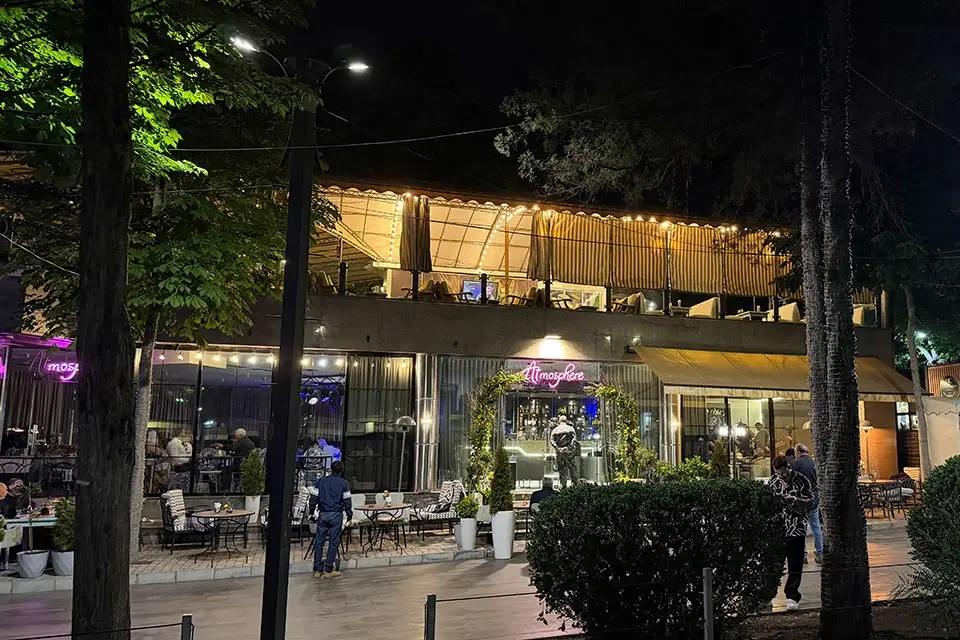
Foreign visitors are generally welcomed warmly in Armenia. Hospitality is an important part of Armenian culture, and people are often willing to offer directions, answer questions or help a traveller who appears unsure of where to go.
Armenian is the country’s official language, while Russian is also widely understood, particularly among middle-aged and older residents. English is increasingly common in central Yerevan, hotels, restaurants, tour companies and other businesses serving international visitors.
English may be less widely spoken in small towns and rural areas, but communication is rarely a serious problem. A translation app, an offline map and a few basic Armenian phrases can make independent travel easier.
Is Armenia Safe for Solo Female Travellers?
Armenia is generally a comfortable destination for solo travellers, including women travelling independently. Central Yerevan remains lively into the evening, and many visitors feel at ease walking through its busy, well-lit streets, restaurants and public spaces.
Use the same precautions you would take in any unfamiliar city: stay on well-lit streets at night, avoid isolated areas, keep someone informed of your plans and order taxis through a reputable app. Check the vehicle registration before getting in, sit in the back seat and share the trip details if travelling alone. Unwanted attention is not common, but it can still occur.
Border Areas and the Situation Around Nagorno-Karabakh
Most established tourist destinations, including Yerevan, Lake Sevan, Dilijan, Garni, Geghard and Etchmiadzin, are away from restricted border areas and continue to receive visitors. However, additional caution is required near Armenia’s eastern border with Azerbaijan, where tensions and the risk of armed incidents remain.
Current British travel advice warns against all travel within 5 kilometres of the eastern Armenia–Azerbaijan border and along the M16/H26 road between Ijevan and Noyemberyan. Other national advisories place restrictions on additional areas near Vardenis, Goris and Kapan. Do not approach closed roads, military positions or unofficial border routes, and check current guidance before travelling independently in remote eastern or southern Armenia.
Nagorno-Karabakh has been under Azerbaijani control since 2023 and is no longer accessible as a tourist destination from Armenia. This does not normally affect visits to Yerevan and Armenia’s main inland attractions, but regional conditions can change. Travelling with a local guide or driver makes it easier to follow established routes and avoid restricted areas or unexpected road closures.
Before travelling near any international border, check the latest official regional travel advice and follow instructions from the Armenian authorities.
Can You Enter Armenia with an Azerbaijani Passport Stamp?
An Azerbaijani entry or exit stamp in your passport does not normally prevent you from entering Armenia. You must still have a valid travel document and, depending on your nationality, an Armenian visa or other required entry permission.
Border officers may ask additional questions about the purpose of your visit, your itinerary or where you will be staying. This is a normal border procedure, so answer calmly and honestly. You can find further information in our guide to Armenia visa requirements.
Road and Mountain Safety in Armenia
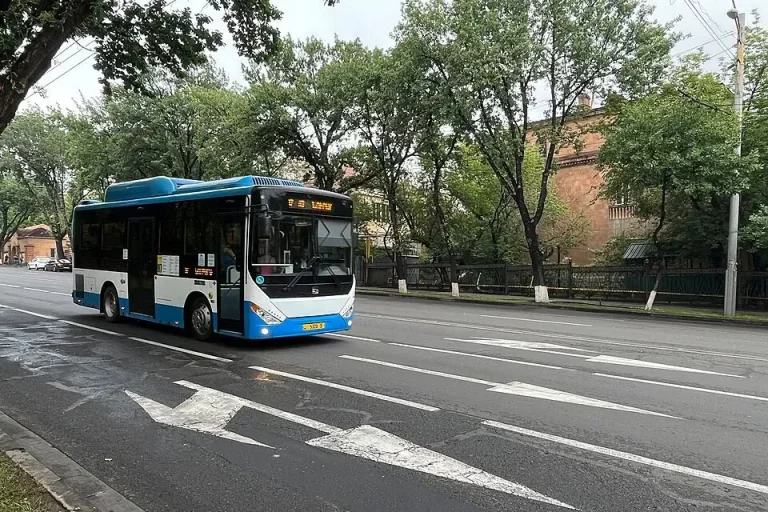
Driving in Armenia: Driving in Armenia can feel more assertive than in many European countries, and traffic rules are not always followed consistently. Road surfaces and lighting vary outside the main cities, while mountain routes can be narrow, winding and affected by snow or ice in winter. Avoid unfamiliar rural roads after dark, watch carefully when crossing streets and check weather and road conditions before a long journey. Many visitors prefer to book a car with a driver in Yerevan because a local driver knows the roads, mountain passes and regional conditions.
Hiking and Mountain Travel: Armenia is an excellent destination for hiking, but mountain conditions can change quickly. High altitude, sudden weather changes, limited mobile coverage and the distance from medical assistance all require preparation. Tell someone your planned route, download an offline map, carry enough water and warm layers, and avoid difficult or unmarked trails when travelling alone. For remote or high-altitude routes, consider going with an experienced local guide.
Health and Medical Safety in Armenia
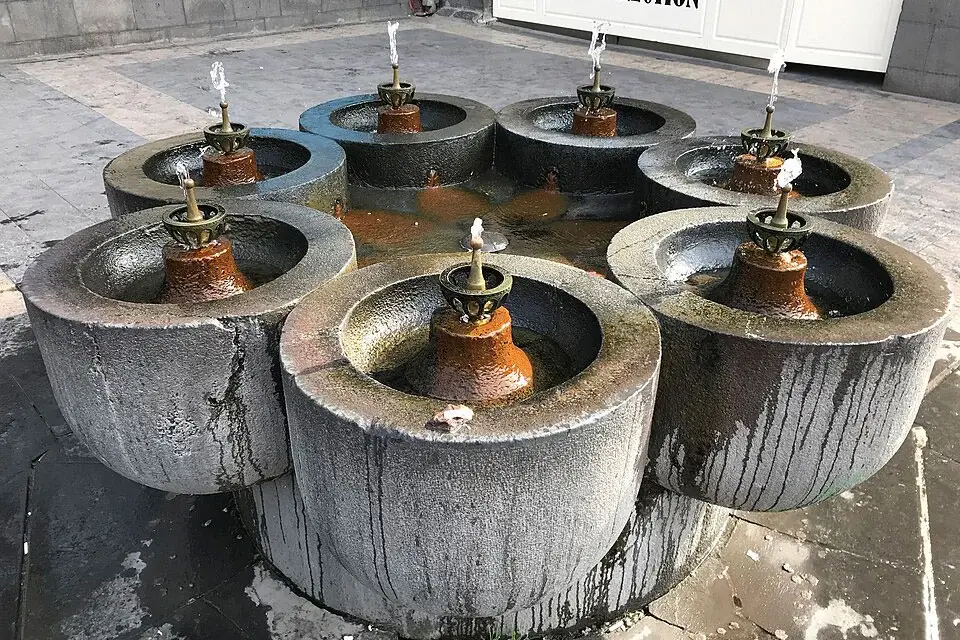
Drinking Water: Tap water in Yerevan and many other Armenian cities is generally considered safe to drink. Yerevan also has numerous public drinking fountains known as pulpulaks. In rural areas, ask locally before drinking tap or spring water; bottled water is the safer option when you are uncertain.
Food Safety: Restaurants and cafés serving tourists generally maintain good hygiene standards. Use normal food precautions: wash fresh fruit and vegetables, make sure meat is properly cooked and be cautious with unpasteurised milk, cheese or other dairy products from informal sellers.
Medical Care and Travel Insurance: Yerevan has private clinics, hospitals and well-stocked pharmacies, but medical services and emergency response can be more limited outside the main cities. Treatment for foreign visitors may require payment, so arrange comprehensive travel insurance that covers your planned activities and emergency evacuation. Keep routine vaccinations up to date and check current health guidance before travelling.
Emergency Numbers and Basic Safety Tips
Save Armenia’s main emergency numbers before your trip:
- 112 or 911 — general emergency and rescue services
- 102 — police
- 103 — ambulance
- 101 — fire and rescue service
Basic Safety Rules for Tourists:
- Carry a copy of your passport and save the contact details of your accommodation.
- Keep your phone charged and carry a power bank on longer journeys.
- Use reputable app-based taxis instead of accepting unregistered rides from the street.
- Watch your belongings in crowded markets and on public transport.
- Stay on well-lit, populated streets when walking at night.
- Arrange appropriate travel and medical insurance before departure.
- Download offline maps before travelling through mountain or rural areas.
- Check current border, weather and road information before regional trips.
Overall, Armenia does not require unusual vigilance beyond normal travel precautions. It is a welcoming country that can be explored independently or with a local guide on organised day tours from Yerevan.
Frequently Asked Questions
Travel with Confidence
Prefer Not to Drive in Armenia Yourself?
Book a private car with a local driver for trips around Yerevan and across Armenia. We will help plan the route, select a suitable vehicle and confirm the final price before your journey.
Experienced local drivers · Custom routes · English-speaking service available on request