Nature of Syunik
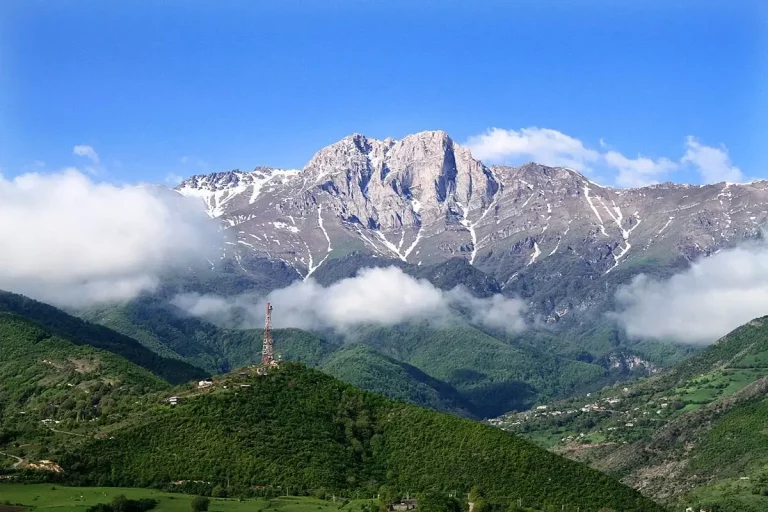
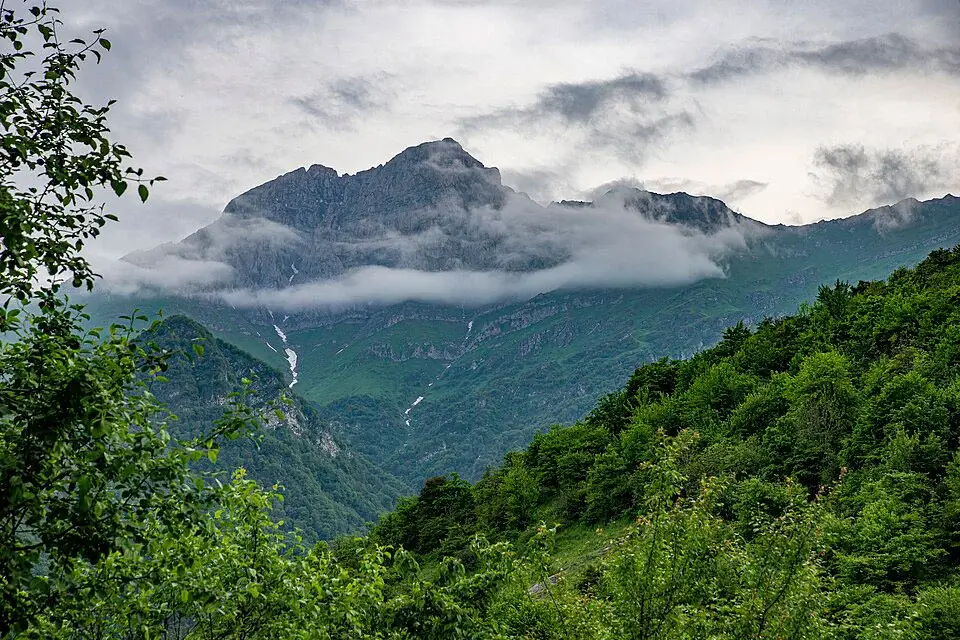
Syunik is one of Armenia’s greenest and most ecologically diverse regions. The relict plant communities and the ancient forest types of the southern Caucasus survive here in fragments that no longer exist anywhere else in the country, and the south of Syunik is one of the key strongholds of Caucasus biodiversity. The two largest protected areas — Shikahogh State Reserve and Arevik National Park — together with several smaller sanctuaries are managed as a single system by the Zangezur Biosphere Complex, a state non-commercial organisation (SNCO) with its head office in Kapan.
This page is the overview of Syunik’s protected nature. The cultural and tourist routes through the region — Tatev Monastery and the Wings of Tatev cable car, Shaki Waterfall, Khndzoresk and Karahunj — have their own pages. Here we focus on the ecology behind those routes and why this part of the country is rightly called “wild Armenia.”
Shikahogh State Reserve
Shikahogh is one of Armenia’s three state reserves (the others are Khosrov Forest and Erebuni). It lies in the middle reach of the Tsav River in the southern Syunik Province, on the slopes of the Meghri Range, and shares borders with Arevik National Park to the south and the Khustup and Baghatsar ranges to the north-west.
Basic figures (from the Ministry of Environment of Armenia):
- Established: 13 September 1958
- Area: 12,137 ha
- Elevation: 700–2,400 m above sea level
- Defining feature: relict broadleaf forests of Hyrcanian type — beech, oak, hornbeam stands with an understory of box, hazel, and dogwood
- Forest cover: about 94% of the territory is intact virgin forest — one of the highest figures of any protected area in Armenia
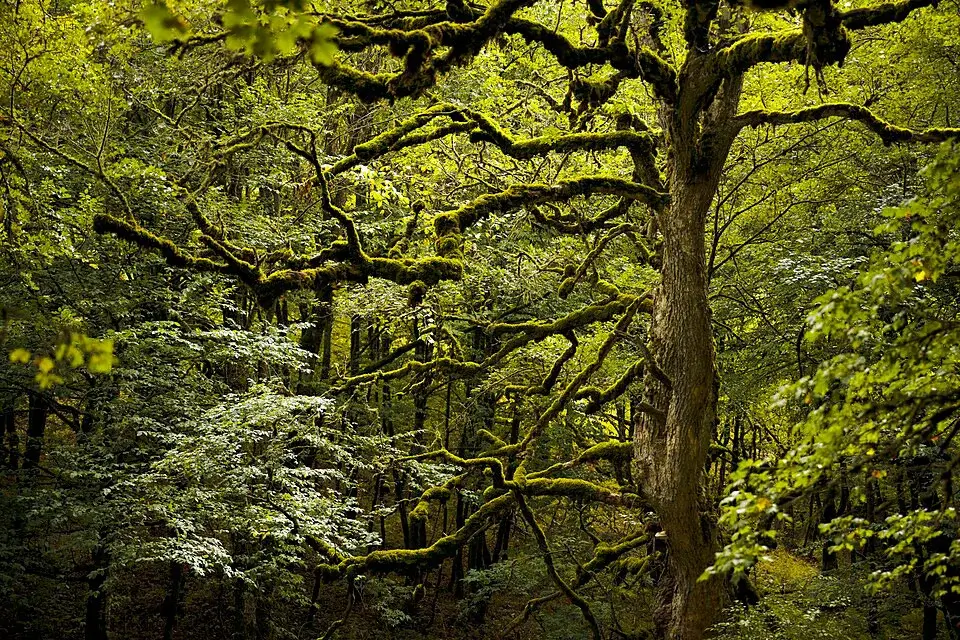
The signature plant community of Shikahogh is a relict grove of common yew (Taxus baccata). Armenia retains yew at only a handful of sites, and the Red Book of Armenia lists the species as protected. The Shikahogh grove is one of the best-preserved fragments of this ancient conifer community anywhere in the country. The Ministry of Environment lists Shikahogh among Armenia’s priority ecotourism destinations.
In addition to yew, Shikahogh holds more than 1,100 species of vascular plants, of which 70 are in the Armenian Red Book. Dozens of those are Caucasus or Armenian endemics. The fauna includes the Persian leopard, bezoar goat, Syrian brown bear, lynx, wild boar, and several large raptor species.
Access regime: Shikahogh is a strict reserve, not a national park — there is no general tourist entry. Visits must be arranged in advance with the Zangezur Biosphere Complex administration in Kapan, normally as part of an organised research or eco-tourism programme.
Arevik National Park
Arevik is the youngest of Armenia’s four national parks, created in 2009 specifically to protect the forest and mountain ecosystems of the far south-east of the country, along the border with Iran.
Basic figures (Ministry of Environment summary):
- Established: 2009
- Area: 31,211 ha
- Where: southern Syunik Province, near the Iranian border
- Elevation: 700–3,600 m (including a section of the Kapuytjugh massif)
- Biodiversity: more than 1,500 vascular plant species and around 245 vertebrate species
The park spans the lower and middle forest belts, alpine meadows, exposed rock zones, and mountain steppes. It is one of the key monitored ranges of the Persian leopard (Panthera pardus tulliana) in Armenia — the species is also referred to in the older literature as the Caucasian leopard.
Other large mammals confirmed in the park include bezoar goat, Armenian mouflon (Ovis orientalis gmelini), Syrian brown bear, Eurasian lynx, grey wolf, fox, badger, and European wildcat. A particularly significant moment came in the early 2010s, when camera traps recorded a striped hyena in the park — the first confirmed sighting of the species in Armenia in roughly 60 years.
Access regime: part of the territory is in the strict-protection zone; visiting most marked routes must be coordinated in advance with the Zangezur Biosphere Complex or the local Arevik branch.
The Zangezur Biosphere Complex
The Zangezur Biosphere Complex is a state non-commercial organisation (SNCO), not a protected area in itself. It manages Shikahogh, Arevik, and several sanctuaries as a single administrative system. Its head office is in Kapan, the capital of Syunik Province.
What sits under the Complex:
- Shikahogh State Reserve — 12,137 ha
- Arevik National Park — 31,211 ha
- Zangezur State Sanctuary — 25,712 ha, established in October 2009 to protect the Armenian mouflon’s main habitat
- Plane Grove Sanctuary — 64 ha along the Tsav River, the largest natural grove of oriental plane trees (Platanus orientalis) in the entire Caucasus. The grove holds over a thousand trees aged 250–350 years and reaching 30–35 m in height.
- Khustup State Sanctuary — created with the Complex itself
- Boghaqar Sanctuary — established 1989
- Lake Sev Sanctuary — 240 ha
Total area under management: approximately 79,420 hectares — about 2.7% of Armenia’s territory and one of the largest protected-area systems in the South Caucasus. The Complex was established in 2013 by merging the previously separate SNCOs of Shikahogh State Reserve and Arevik National Park into a single body. WWF Armenia and the German-based Caucasus Nature Fund (CNF) have both provided long-term funding, equipment, and capacity-building support.
Wildlife of South Syunik: The Persian Leopard and Its World
Syunik is the part of Armenia richest in large wild fauna. Several species that are either absent or extremely sporadic elsewhere in the country survive here as stable, monitored populations.
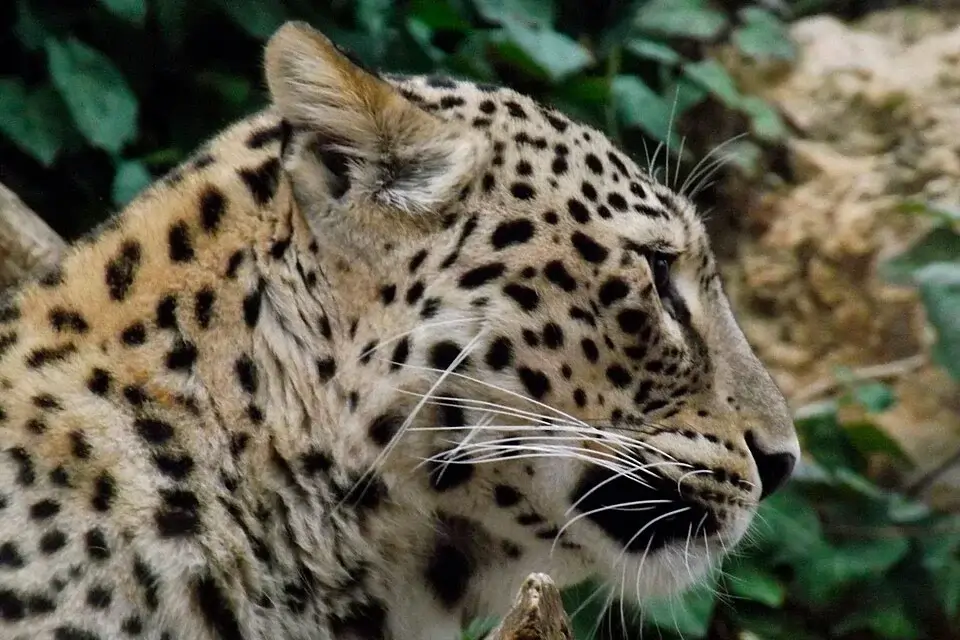
The Persian leopard (Panthera pardus tulliana) is Armenia’s flagship endangered carnivore. South Syunik remains one of the species’ key strongholds in the country, and camera-trap monitoring runs continuously across the Arevik, Shikahogh, and Zangezur Sanctuary territories. Recent sightings along the border with Azerbaijan suggest the regional population is slowly recovering — though the total Armenia-wide population is still estimated at only around 10 individuals.
The Armenian mouflon (Ovis orientalis gmelini) is a regional endemic of the Armenian Highland, and South Syunik holds one of its two main remaining populations. The mouflon is also the leopard’s primary prey species, which is why protecting it is essential to the long-term survival of the predator. The Zangezur State Sanctuary was created in 2009 specifically with the mouflon in mind.
The bezoar goat (Capra aegagrus aegagrus) — a symbol of Armenian fauna and the model for several ancient rock carvings — survives in the cliffs of both Arevik and Shikahogh.
Other notable large fauna include the Syrian brown bear, grey wolf, Eurasian lynx (rare, occasionally caught on camera traps), wild boar, fox, badger, and weasel. Among large birds: golden eagle, bearded vulture (lammergeier), griffon vulture, and the Eurasian black vulture.
Where to Base Yourself and What’s Around
The reserves themselves are closed to mass tourism, but Syunik’s nature is best experienced through the routes that go around — and sometimes through the buffer zones of — the protected areas.
- Kapan — the administrative capital of Syunik Province and the most practical base for any nature visit. The Zangezur Biosphere Complex headquarters and ranger services are based here. Several wildlife-watching programmes and the trailhead to Mount Khustup start in or near the town.
- Mount Khustup (3,206 m) — one of Syunik’s signature summits, with a popular full-day hiking route from the village of Vachagan above Kapan. Wildflowers in June and July, golden grass and clear long views in September.
- Meghri — Armenia’s southernmost town, on the Iranian border, with mediaeval churches, traditional southern architecture, and the road entry to Arevik. About 70 km south of Kapan.
- Tatev Monastery and the Wings of Tatev cable car — not part of the protected-area system, but geographically tied to it: the monastery sits above the Vorotan Gorge, and the cable-car ride is the easiest way for an international visitor to see something of the southern landscape.
- Shaki Waterfall — a short, easy stop on the way south, useful as a half-day break.
Outside the south but still part of any sensible Syunik route, most visitors also combine Noravank Monastery in adjacent Vayots Dzor on the drive down or back.
How to Get to Southern Armenia and When to Visit
Syunik is a long way from Yerevan. Kapan is about 320 km and 5–6 hours’ drive via the Tatev and Goris passes. A single day-trip doesn’t really work; plan for two to three days minimum.
Public transport: intercity marshrutkas and buses run between Yerevan and Kapan, but the schedule and the departure point are worth checking the day before. Inside the region, public transport thins out — without a car, getting around is difficult.
The straightforward option is a multi-day private car with driver in Yerevan routing through Tatev, Khndzoresk, Goris, and Kapan, with overnights along the way. Most itineraries also include Khor Virap Monastery at the start of the drive south.
When to go:
- May–June — wildflower peak, mild temperatures, waterfalls at their fullest, the best season for landscape photography
- September–October — autumn colours in the beech forests, fewer visitors, clear high-altitude visibility
- Summer (July–August) — hot in the valleys (up to +35 °C in Meghri), but cool in the mountains; good for high-altitude routes
- Winter (November–March) — most mountain roads closed by snow; access to the strict reserves is effectively impossible